



210T vs 210D Nylon: Key Differences
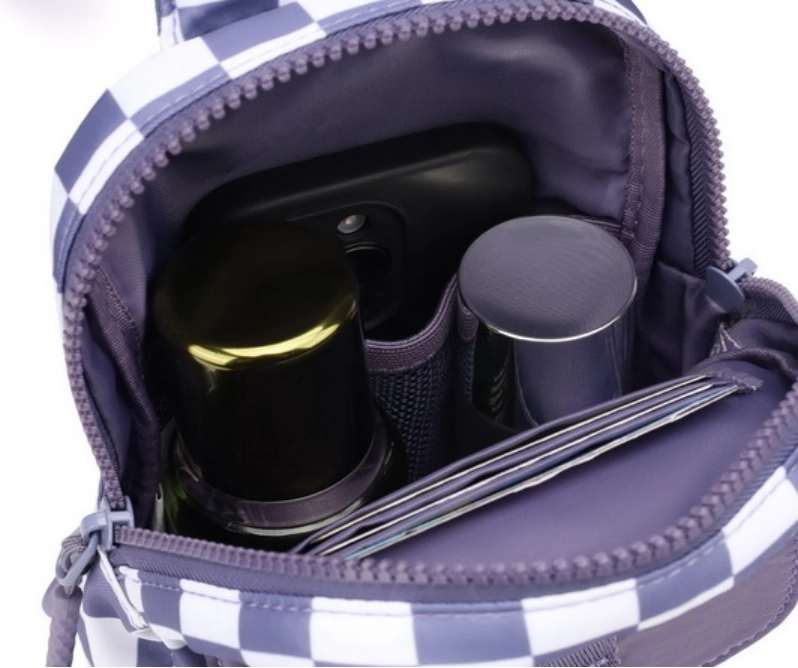
Many product developers puzzle over the choice between 210T and 210D nylon. In simple terms, 210T nylon weighs less and feels smoother, so it works well for linings or small accessories. On the other hand, 210D nylon has a thicker build and greater strength, which suits outer layers or sturdy bags. You can better pick the right fabric for your design if you know how “T” and “D” shape these materials.
What Do “T” and “D” Mean in Fabric Terminology
The letter “T” means thread count. It shows how many threads fit into one square inch of fabric. A bigger number points to a tighter weave. That often leads to a smoother feel and finer surface. “D” stands for denier. This measures the thickness of each fiber. A higher denier means thicker and heavier strands.
These two factors affect the fabric’s touch and its behavior under pressure. Take bag manufacturing, for instance. Thread count impacts softness and bendability. Denier decides how well it holds up against wear and tears.
Overview of 210T Nylon
Now, let’s move to details and see what sets 210T nylon apart.
Description of 210T Nylon’s Structure and Weave Pattern
210T nylon features a close-woven build with high thread density. This setup creates a soft-to-the-touch surface. Yet it holds firm enough to resist minor pulls or bends. Its dense weave blocks tiny bits or light dampness, especially with a coating.
Common Characteristics
This fabric stays light and has a silky quality. It folds small, which fits products that demand easy carrying without extra bulk. The close weave adds a faint shine. That boosts its look in linings or covers.
Typical Uses
Manufacturers pick 210T nylon for inner linings in backpacks or luggage areas. You see it in drawstring bags, rain covers, or slim protective cases too. All these spots call for low weight.
Overview of 210D Nylon
Let’s turn to 210D nylon next. It serves as another go-to option, but it performs differently.
Explanation of 210D Nylon’s Fiber Thickness and Durability
Here, “D” highlights the fiber’s thickness over weave tightness. The strands in 210D nylon come thicker than in 210T types. This gives it solid strength. As a result, it fights off scrapes and rips better. Those traits matter for outdoor items or bags that see heavy action.
Key Features
Besides toughness, 210D nylon repels water to some degree without any treatment. Add polyurethane (PU) or polyvinyl chloride (PVC), and it turns highly water-resistant. Even so, it keeps some bend despite its sturdiness.
Common Applications
People use 210D nylon a lot in backpacks, trip organizers, laptop cases, and gear like toiletry bags or packing cubes. Strength pairs with reasonable weight in all these cases.
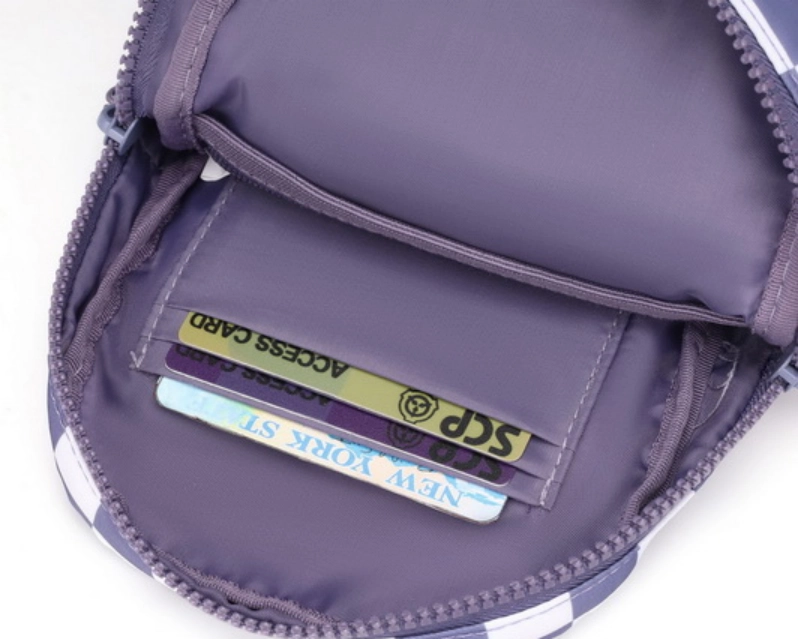
Comparing 210T vs 210D Nylon in Material Performance
Once you know each fabric on its own, comparing them gets easier. Look at aspects like toughness, weight, feel, and how they take coatings.
Strength and Durability Differences
Denier ties straight to tear strength. Thicker yarns in higher denier handle more force before they snap. So 210D nylon beats 210T nylon in rubs or heavy pulls. If your bag’s shell or work pouch faces rough treatment, this extra grit counts a lot.
But suppose you care more about bend or flow than pure power, like in inner layers. Then the lighter build of 210T delivers without added rigidity.
Weight and Texture Comparison
You can sense the weight gap just by handling them:
| Fabric Type | Approximate Weight | Texture | Common Use |
| 210T Nylon | Light | Smooth & silky | Linings, pouches |
| 210D Nylon | Medium | Slightly coarse & firm | Outer shells, backpacks |
210T’s gentle touch fits items that need to glide over surfaces, such as pocket insides. Meanwhile, 210D’s bit-rougher feel provides hold. That helps bags keep their form.
Water Resistance and Coating Options
You can boost both fabrics with coatings. PU adds bend while blocking water; PVC offers stronger guard but cuts air flow a touch. 210T’s tight weave takes slim PU well for indoor uses, like makeup bags. Thicker coatings on 210D suit outdoor spots with more wet exposure.
Applications in Bag Manufacturing and Accessories
Your fabric pick shapes function and how users interact with the item. Think of a zipper moving over lining or a backpack enduring trips.
When to Choose 210T Nylon for Your Products
Go with 210T when lightness tops your list:
It shines in bag linings or drawstring pouches.
The smooth inside pairs nicely with rigid outsides.
It holds costs down in production yet keeps steady quality for big runs.
Its fine weave lets you print or dye designs sharply. No ink spreads, which aids branding on promo goods.
When to Choose 210D Nylon for Your Products
Pick 210D for items that need staying power:
It fits backpacks or travel organizers best.
It stands up to scrapes strongly.
It blends firmness with ease, so bags stay shaped but carry comfy.
Brands choose this level for mid-tier outdoor lines. It takes wear without the bulk of heavier options like 600D polyester.
Variants: Exploring 210D Ripstop Nylon and Oxford Cloth
Standard weaves give way to special types built for particular jobs.
What Is 210D Ripstop Nylon?
Ripstop weaves in stronger threads on a grid every few millimeters. These halt rips from growing once they begin. That’s why they call it “ripstop.” This makes 210d ripstop nylon great for tents, duffel bags, tactical packs, or gear in tough spots. The grid shows a clear tech style when light hits it.
Understanding 210D Oxford Cloth
Oxford cloth uses a basket weave instead of plain. This adds bulk and lasting power to 210d oxford cloth. At the same time, it keeps a neat finish for luggage or school bags. You clean it simply with gentle soap. It holds colors bright over time, thanks to reliable dye methods in today’s synthetic nylons.
Choosing the Right Fabric Partner for Your Brand Needs
Picking between these isn’t only about specs. It links to your brand’s image and making plans.
Factors to Consider Before Selecting Fabric Type
As you decide:
Figure out if your item sees light daily wear or tough outdoor demands.
Set your style aims: shiny or dull surface.
Weigh your budget, as coatings and finishes raise the price per meter.
Many find that testing real samples uncovers fine points specs miss. For example, how much noise it makes when you rub it. Some users like quieter options.
How Chic Supports Custom Fabric Solutions
A solid supplier keeps quality even across orders. Chic offers tweaks via OEM and ODM services to match your brand exactly. You get custom shades, coatings (PU/PVC), print choices, and big export help for sellers or dealers worldwide. All from the Yiwu Chic factory hub.
FAQs
Q1: Is 210D nylon waterproof?
It resists water on its own but needs PU or PVC coating to go fully waterproof.
Q2: Which is stronger: 210T or 420D?
In general, higher denier like 420D shows more strength than both 210T and regular 210D fabrics.
Q3: Can I print logos on 210T nylon?
Yes. Its even surface handles clear screen prints or heat transfers without blur.
Q4: What’s the main advantage of ripstop over regular nylon?
Ripstop stops small tears from growing due to its reinforced grid threads in the base.
Q5: Is Oxford cloth suitable for outdoor use?
Yes. With proper coating, it fights moisture well and stays tough for travel bags or promo items used outside often.

 consult
 WHATSAPP
 leave message
 top
top