




Vegan Leather: All You Need To Know
Vegan leather stands out as a hot topic in current fashion circles. Shoppers pay closer attention to eco-friendly practices and animal rights now. This leads to a common query: does vegan leather really stand in for classic leather without sacrificing durability or appeal? Yes, it does. But keep in mind some important details.
What Is Vegan Leather Bags?
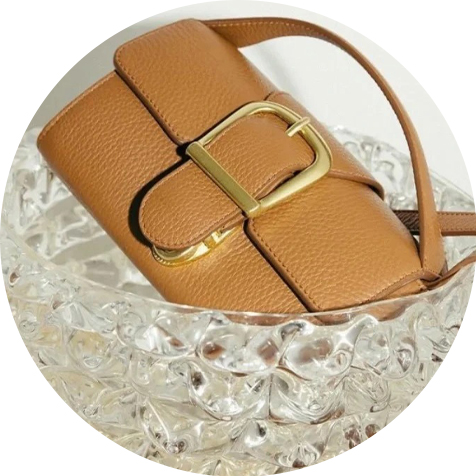
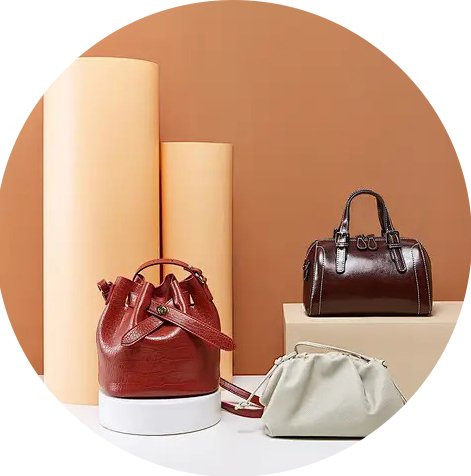
People often inquire about what is vegan leather bags. They mean bags built from animal-free substances that copy the sight and touch of authentic leather. Everyday materials cover polyurethane (PU), polyvinyl chloride (PVC), plus more plant options like pineapple leaves, apple peels, cork, or cactus fibers. PU and PVC serve as man-made plastics. Makers shape them to echo the pattern and flexibility of animal skin. Plant-based types draw from natural threads linked by bio-resins.
Eco-friendliness isn’t a side issue anymore. It drives how people shop. Brands using vegan items connect with young buyers. These folks prize honesty, empathy, and planet care.
How Vegan Leather Is Made
Making it shifts by type—man-made or from plants. For PU-like synthetics, producers cover a cloth foundation, say polyester or cotton, with a pliable plastic coat. They then work the top to add feel and shade like real leather. Plant sorts use a close setup. But they pick organic scraps or natural strands over oil-derived mixes.
Man-made picks usually cost less. They suit large-scale output better. Still, they depend on fossil fuels. Plant-based vegan leathers cut carbon traces. Yet, they might price higher from scaling hurdles. Eco-thoughts guide this area. Manufacturers seek water-based covers and nature-friendly bonds to lessen harm.
Comparing Real Leather and Vegan Leather Handbags
Knowing the gaps in real leather and vegan leather bags aids smart picks. You can match them to your routine, principles, and funds.
Key Differences Between Real Leather and Vegan Leather Handbags
Texture-wise, real leather offers natural shifts in its surface. This gives each bag its own vibe. Vegan leather looks steadier. Machines create it that way. Strength changes too. Real leather endures for years with good upkeep. Synthetics might fade after some time. Quality decides that.
Care differs. Real leather demands oil to avoid breaks or dryness. Vegan leather wipes clean with a wet rag. It handles water differently. Cost-wise, vegan bags open up easier. Lower making expenses help.
| Feature | Real Leather | Vegan Leather |
| Source | Animal hide | Synthetic (PU/PVC) or plant-based |
| Durability | Long-lasting | Moderate lifespan |
| Maintenance | Requires conditioning | Easy cleaning |
| Price Range | Higher | More affordable |
Factors That Influence Buyers’ Choices
Ethics shape buys in clear ways today. Lots of people skip animal goods for right reasons. Planet effects matter a ton. Old tanning grabs bad chemicals, like chromium salts. Some man-made leathers use plastics. These shed tiny plastic bits as they break down.
Green targets drive brands to smart fixes. Cactus or mushroom leathers mix toughness with natural decay, for instance. A brand’s image counts. Outfits that highlight eco-awareness build firmer bonds with young crowds. They seek buys tied to real meaning.
The Pros and Cons of Vegan Leather Handbags
Nothing’s flawless. Materials trade off on use, looks, and green side.
Advantages of Choosing Vegan Leather Handbags
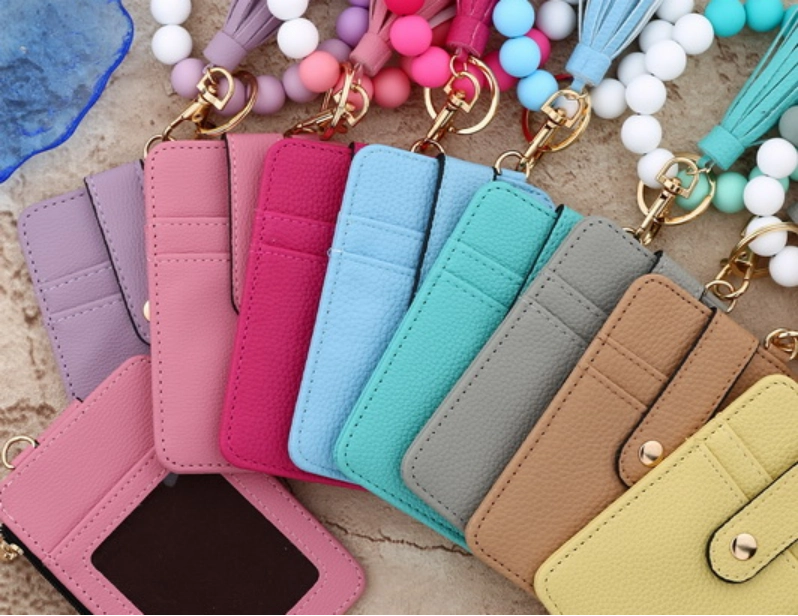
Vegan handbags draw eyes for skipping animal harm. That’s key for value-driven shoppers. They feel lighter than old hides. You tote them with ease daily. Wiping off dirt stays straightforward. Stains lift quick without extra tools.
Design options add appeal. Man-made leathers fit any shade or style. Picture dull tones to shiny finishes. Creators gain room to innovate ethically. Low prices suit store buyers and bulk sellers. They deliver classy options on a budget.
Limitations of Vegan Leather Materials
Drawbacks deserve mention. Toughness worries some. Strong PU holds up for years. But it falls short of real leather’s span. That one gains character with age. Heat poses risks. Warmth can split or twist certain synthetics.
Air passage limits often. Plastic tops block flow in the cloth underlayer. Also, PVC types stir eco-issues. Chlorine in them hinders safe reuse.
The Growing Market for Vegan Leather Bags
World demand for green stand-ins swells quick in fashion fields.
Global Demand Trends in the Fashion Industry
Green-minded buyers spark record rises for vegan stuff globally. Small outfits once led. Now, high-end spots and speed-fashion spots use them too. Bags start it. But items spread to shoes, outerwear, accessories, and vehicle insides. This points to ideas growing big.
Online networks heighten the push. Moral leaders link to huge followings who chase green living. Tags like #veganfashion or #crueltyfreebrand mold ideas. They share knowledge swifter than classic ads.
Opportunities for Brands, Wholesalers, and Distributors
For manufacturers and distributors, the change unlocks wide paths in custom vegan making. Green lines set brands apart. They fit rising world eco-norms in markets.
Clearness grows vital. Shoppers need evidence that sources match green talk. Outfits putting money in trackable links gain solid faith abroad. This aids growth in areas like Europe or North America. Green badges sway choices there.
How Chic Supports Brands with Vegan Leather Solutions
Shifting ideas to real sales needs skill. Expert OEM & ODM allies fill that gap.
Chic’s Expertise in OEM & ODM Bag Manufacturing
Chic delivers full design aid with proven vegan leathers. They suit bags, totes, backpacks, wallets, and extras. Adaptable output fits varied looks. We hold steady quality with tough checks. Bulk runs thus meet style needs and ethics modern buyers want. Our quality steps lock in evenness from sample to send-off.
Partnering with Chic for Sustainable Growth
Linking with a seasoned B2B provider streamlines from tests to label help. We cover pack changes and ship planning for global spread. These ties let world brands handle green calls well. They guard ideas and timing. Joint work on green aims helps firms sharpen their lead in changing clean setups.
FAQs
Q1: What materials are most commonly used in vegan leather bags?
Most use polyurethane (PU), polyvinyl chloride (PVC), or newer plant-based sources like pineapple leaves or apple skins.
Q2: Are vegan leather handbags durable enough for daily use?
High-quality PU versions can last several years if cared for properly though not as long as genuine leather.
Q3: Is vegan leather environmentally friendly?
It depends—plant-based types have lower footprints while PVC versions may pose recycling challenges.
Q4: Can I clean my vegan handbag easily?
Yes; usually wiping it gently with a damp cloth keeps it looking new without special conditioners.
Q5: Why are more brands switching to vegan materials?
Because consumers increasingly prioritize cruelty-free products aligned with sustainability values across global markets.

 consult
 WHATSAPP
 leave message
 top
top