


9 Critical Questions to Ask Your Private Label Cosmetic Bag Supplier Before Signing
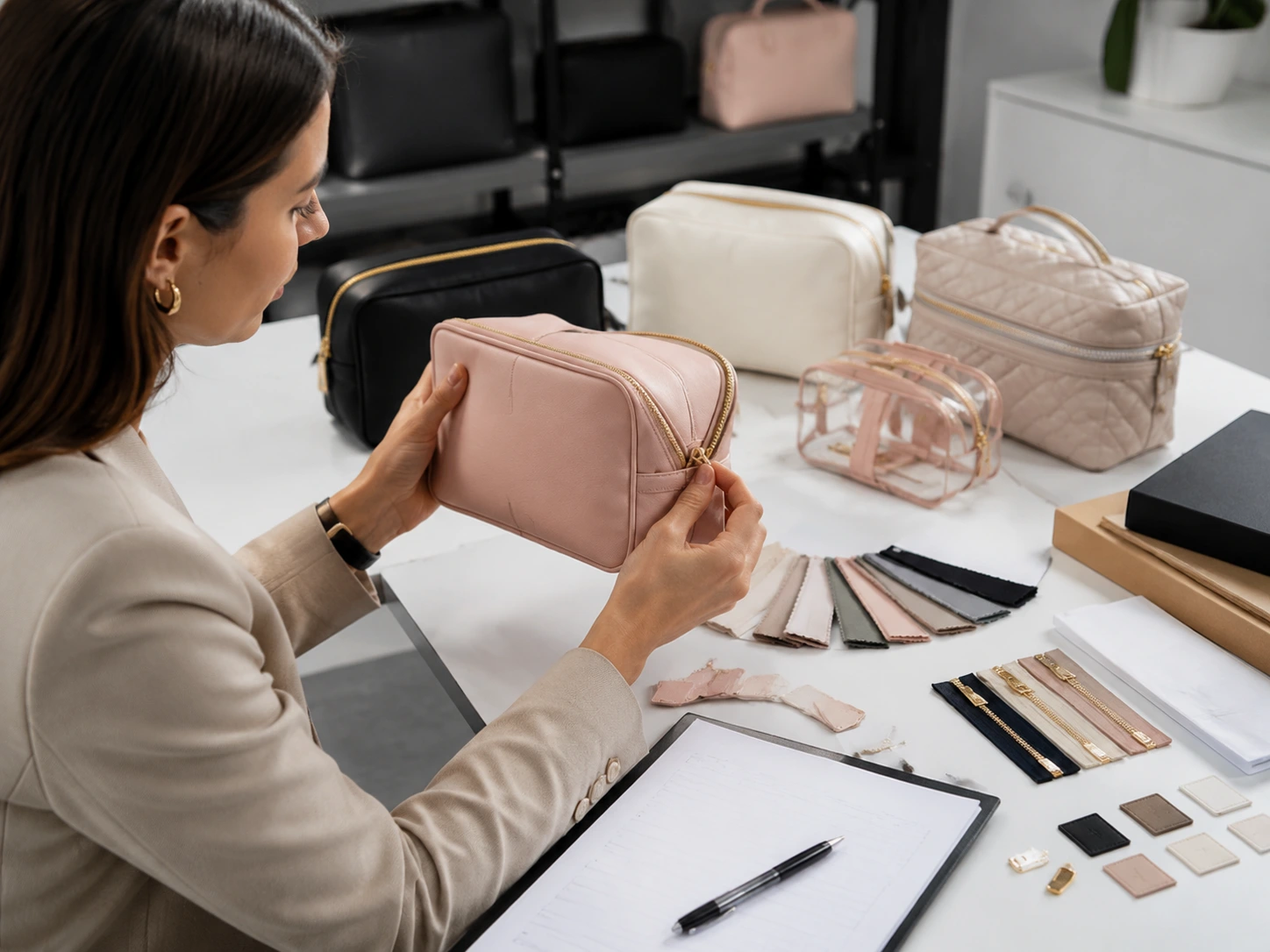
Picking the right private label cosmetic bag supplier is a move that can truly build or break your product line. Often, the main gap between a brand that wins and one that fails is how well it chooses its factory partner. A solid supplier does more than just sew bags. They help you keep quality steady, guard your brand name, and grow fast when sales take off.
Why Supplier Selection Impacts Your Brand Success
A trusted supplier guarantees that your items stay high-quality and arrive on schedule. When your buyers get well-crafted private label bags without delays, they start to trust your brand. This confidence grows over time. Eventually, it becomes a key part of how the market sees you.
The right bond helps your brand grow and find its place in the market. Picking the wrong partner leads to big headaches. You might face delays, bad quality, or risks to your name that are hard to fix.
What Makes a Private Label Cosmetic Bag Manufacturer Reliable?
When you look for a factory, hands-on experience is worth more than a low price. A team with a history in OEM/ODM production for cosmetic bags knows the common hurdles. They understand everything from picking the right fabric to logo printing.
Lastly, the ability to tailor goods to fit your brand shows true skill. You might need vegan leather pouches or green, eco-friendly fabrics. A strong manufacturer will adjust to your creative vision. They do this without cutting corners on the final build.
How to Assess the Quality of Cosmetic Bags Before Signing?
Always ask for physical samples.You need to feel the material and check the stitching yourself. Test the zippers to see if they glide smoothly. Look for straight seams, strong corners, and colors that match perfectly across the whole batch.
Ask for ISO9001 or SGS reports if they have them. These files show how well the factory runs its lines. They also prove if the shop meets global rules for making cosmetic accessories.
1. What Production Capabilities Should You Confirm?
Before you place a huge order, make sure the shop can handle it. This is vital for busy times like the holidays. Ask about their machines, such as high-frequency welding machines for PVC bags. Find out how many lines they run and how much they can make each month.
You should also check if they follow safety and earth-friendly rules like REACH or RoHS. This is a must if you sell in Europe. Those markets have very strict laws about the materials used in cosmetic packaging.
2. How Flexible Is the Supplier with Custom Designs?
Find out how much they can change a design. Can they swap the fabric thickness or use custom zipper pulls? Do they offer logo styles like heat transfer or embroidery? A flexible supplier makes it much easier to keep your brand look the same across different items.
Talk about the packaging too. Adding branded dust bags or nice boxes can make your product feel more expensive without costing you a lot. Some top shops even help with the design work. Their own designers can help you fix sizes or pick better materials based on your first sketches.
3. What Are the Minimum Order Quantities (MOQs)?
MOQ rules change based on the bag style and the fabric you pick:
|
Material Type |
Typical MOQ Range |
|
PU Leather Cosmetic Bag |
300–500 pcs |
|
Nylon Travel Pouch |
500–1000 pcs |
|
Cotton Canvas Makeup Bag |
200–300 pcs |
If you are just starting out, try to negotiate these numbers. Flexible MOQs let you test the market without spending too much on stock.
4. How Does the Supplier Handle Communication During Production?
Find a main point of contact early on. It is best to have one manager who watches your order from the first sample to the final ship date. See how fast they answer your emails during the sampling stage. Quick replies usually mean the factory is well-run.
Getting regular updates through email or calls helps keep things clear. This is very important when working with shops overseas in different time zones.
5. What Is the Typical Lead Time for Private Label Orders?
The time it takes depends on the design. Usually, it falls between 25 and 45 days after you approve the sample. This is the standard for most cosmetic bag orders.
Ask what happens if you need more stock fast. Some partners keep extra space for loyal clients. This can save your business during a busy sales season.
6. How Are Shipping and Logistics Managed?
Be very clear about shipping terms like FOB, CIF, or EXW before you sign. Both sides must know who pays for what. This prevents money arguments later.
Also, ask about the boxes they use for shipping. Strong, double-wall boxes or plastic wrapping help keep your goods safe during a long trip by sea or air.
7. How Transparent Is the Pricing Breakdown?
Get a full quote that lists every cost. This should include the fabric, labor, logo setup, and packaging. Knowing all this upfront means you won’t get hit with “hidden” fees later.
Extra costs often pop up for things like metal molds or custom parts. Talk about these early to avoid any shocks once the real work begins.
8. What Payment Methods Are Accepted?
Most shops use standard rules. Usually, you pay a 30% deposit to start and the 70% balance before the goods leave the factory.
Check if they take T/T bank transfers or use safe systems like Alibaba Trade Assurance. This ensures your company follows its own safety rules for payments.
9. What Happens If There Are Quality Issues After Delivery?
Make sure you know the warranty rules. Will they replace broken items for free? How fast will they help if you find a problem? Good suppliers will send new items quickly. They won’t spend weeks arguing about whose fault it was.
How Can You Build a Long-Term Partnership with Your Supplier?
Talking often builds trust. Try to review how things are going every few months. This helps both sides get better and faster.
Think about creating new cosmetic bag styles together. When both teams share ideas, you get better products. This way, you move from just buying goods to building a future together.
Ready to take your private label cosmetic bag line to the next level? Contact us today to discuss your project and start building a long-term collaboration.
FAQs
Q1: What is considered a good lead time for private label cosmetic bag orders?
It is usually 25 to 45 days after the sample is approved, depending on the order size.
Q2: Can I request small batch runs before committing to full-scale production?
Yes. Many shops allow lower MOQs for new looks, though the price per bag might be a bit higher.
Q3: Which materials are most popular for private label cosmetic bags right now?
PU leather, recycled nylon, and cotton canvas are top picks because they look great and last a long time.
Q4: How do I ensure consistent color matching across multiple batches?
Use Pantone codes and always ask for a small fabric proof before they start the big production run.
Q5: Do factories handle shipping arrangements internationally?
Most pro suppliers can manage shipping using FOB/CIF terms. They work with freight experts to get your goods through customs easily.

 consult
 WHATSAPP
 leave message
 top
top