




Related news


PU Leather vs Genuine Leather Bags: Which Is Better for Your Brand?
Picking between PU leather and genuine leather seems easy at first. However, during bag development, this choice turns into a complex matter. It directly impacts pricing, brand positioning, and production steps.
A basic $35 fashion crossbody bag needs different things compared to a heavy $180 leather work bag. Your material choice changes the sampling process. It also impacts color matching, profit margins, and total style count. Therefore, a brand must ask a practical question. Which material actually fits the specific item, target price, and ideal buyer?
What Is the Difference Between PU Leather and Genuine Leather?
Sourcing teams should note a few practical differences. These include batch consistency, overall cost, long-term aging, and design flexibility.
What Is PU Leather?
PU leather relies on a solid polyurethane coating. This layer sits over a fabric base. Together, they form a surface that looks like real hide. Factories can make it smooth, pebbled, matte, or glossy. It can also feel very soft or highly structured.
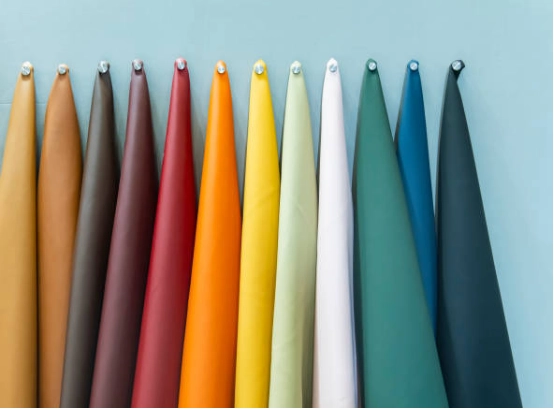
The main benefit of this material is high consistency. Suppose a brand needs the exact same beige tone across multiple items. These might include a tote, a wallet, a cosmetic pouch, and a keychain. In this case, PU leather remains much easier to control. Furthermore, it gives designers extra freedom. They can easily test new seasonal colors and unique textures.
What Is Genuine Leather?
Genuine leather comes directly from natural animal skins. Because of this, the grain pattern and material thickness will change. Surface details also vary greatly between individual hides and production batches.
Many people actually want this natural variation. Premium buyers normally expect real textures and beautiful aging over time. Therefore, genuine leather fits high-end goods perfectly. These items should feel heavy and last for many years. However, there is a clear trade off. Brands must accept higher costs and enforce much stricter production controls.
PU Leather vs Genuine Leather Bags: Quick Comparison
For buyers, the practical differences are easier to see side by side.
| Factor | PU Leather | Genuine Leather |
| Material Cost | Lower | Higher |
| Appearance | Consistent and versatile | Natural and premium |
| Weight | Generally lighter | Generally heavier |
| Durability | Depends on material grade | Usually better long term |
| Color Options | Wide and consistent | More material dependent |
| Maintenance | Relatively easy | Requires more care |
| Brand Positioning | Entry to mid-market | Premium and luxury |
| Animal Free | Yes | No |
A bag is not sold as raw material. It is sold at a retail price to a specific customer. A material that works well for a fashion chain may be wrong for a premium leather label.
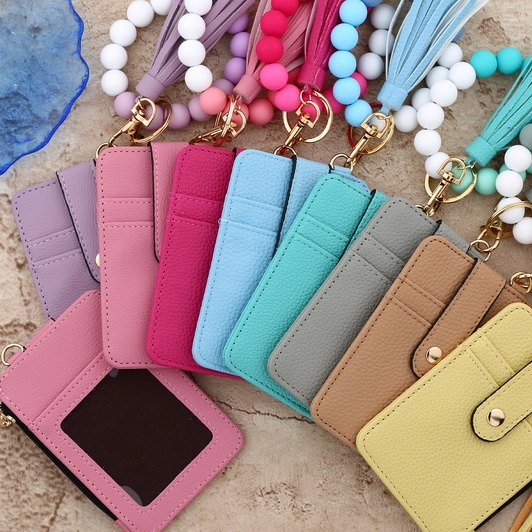
Which Material Offers Better Cost and Customization for Brands?
Cost often starts the conversation in OEM and private label projects. It should not end it. Saving on material can leave more budget for better zippers, lining, hardware, packaging, or construction.
PU Leather for Flexible Product Development
PU leather gives brands more room to test ideas.
A buyer may want three colors of one crossbody bag, a matching wallet, and a cosmetic pouch. Custom PU leather makes that product family easier to manage without a heavy material budget.
It also works well for unproven designs. Committing to expensive leather before knowing whether a shape will sell adds risk.
Genuine Leather for Premium Product Lines
Genuine leather makes more sense when the material itself is part of the value proposition.
Take a structured work bag sold at a premium price. The customer may expect natural grain, a substantial hand feel, and a surface that develops character over time. PU leather can reproduce the initial look, but not always the same aging behavior.
Higher material cost only works when the rest of the product supports it. Expensive leather with weak hardware or poor stitching still produces a weak bag.
Which Material Is Better for Your Brand Positioning?
Brand positioning often decides the material before the technical specification does.
PU leather fits trend driven styles, accessible prices, seasonal collections, promotional products, and animal free lines. It also suits sellers launching several related SKUs.
Genuine leather fits premium handbags, business bags, higher end wallets, and products sold around craftsmanship or longevity.
There are exceptions. A well made PU leather bag can look more convincing than a poorly designed genuine leather bag. Retail price should be considered early. If customers expect to pay $40, forcing genuine leather into the design may create compromises elsewhere.
PU or Genuine Leather: Which Works Better for Different Bag Types?
Material choice becomes clearer when the actual product is considered.
PU leather is practical for cosmetic bags, fashion tote bags, crossbody bags, waist bags, wallets, keychains, and small accessories. These categories often depend on color, surface appearance, and controlled manufacturing cost.
Genuine leather is more common in premium handbags, business bags, long life wallets, and accessories where buyers care about grain, aging, and hand feel.
A brand does not need one material strategy for every product. A collection can use PU leather for seasonal crossbody bags, nylon for utility styles, and genuine leather for a premium wallet range.
Don’t Judge PU Leather by Price Alone: Quality Grade Matters
One sourcing mistake appears again and again: treating all PU leather as the same material.
It is not.
Two PU samples can look similar in photos and behave very differently after use. Base fabric, coating quality, thickness, flexibility, and surface treatment all matter.
Very cheap PU may crack or peel earlier than expected. Better grade PU can provide a stronger hand feel and cleaner finish. For a custom PU leather bag, physical samples matter more than a line on a quotation sheet. Bend the material. Rub the surface. Check the edges and seams.
5 Questions to Ask Your Bag Manufacturer Before Choosing a Material
A useful discussion with a bag manufacturer should go beyond “PU or leather?”
-
What is the target retail price?
-
How long is the customer expected to use the bag?
-
Are custom colors, textures, or finishes required?
-
What quantity will be produced in the first run?
-
What should the material communicate about the brand?
These answers matter more than a generic preference for “premium” or “affordable.” A capable custom bag manufacturer should discuss them before sampling.
So, Is PU Leather or Genuine Leather Better for Your Brand?
Choose PU leather when the collection depends on flexible styling, controlled cost, consistent colors, and accessible retail pricing.
Choose genuine leather when natural texture, long term use, craftsmanship, and premium positioning justify the added investment.
There is no benefit in choosing the more expensive material if it creates the wrong product. Material, construction, price, and customer expectation need to agree.
Work With Chic to Develop Your Custom Bag Collection
Chic works with B2B buyers on custom bags and accessories, including cosmetic bags, tote bags, crossbody bags, waist bags, wallets, keychains, and related accessories.
Material selection can be developed together with bag structure, color, logo, hardware, labeling, and packaging. For OEM and ODM projects, this is usually more efficient than choosing material in isolation and forcing the design around it later.
Planning a new PU leather bag collection? Contact Chic to discuss material options, sampling, customization, and production requirements.
FAQ
Is PU leather good for handbags?
Yes. Good quality PU leather works well for fashion handbags, crossbody bags, totes, cosmetic bags, and accessories. Material grade and construction matter more than the PU label alone.
Is genuine leather more durable than PU leather?
In many long term use applications, genuine leather has better aging potential. Actual durability still depends on leather quality, construction, care, and use.
Is PU leather cheaper than genuine leather?
Usually, yes. PU leather generally has a lower material cost, leaving more budget for hardware, lining, packaging, and other details.
Which material is better for custom or private label bags?
PU leather is often better for fashion focused collections, multiple colors, controlled costs, and flexible product development. Genuine leather suits premium lines where natural material character and long term use are central to the brand.

 consult
 WHATSAPP
 leave message
 top
top