

7 Top Waterproof Materials for Tote Bags, Backpacks and Travel Bags
If you sell bags, you already know one thing: customers hate soggy stuff. A tote that soaks through on the way to work, or a backpack that lets rain reach a laptop, usually doesn’t get a second chance. That’s why choosing the right waterproof materials for bags is a big part of building a product line that people actually trust and re-order. The tricky part is that “waterproof” covers many different fabrics, coatings and price levels, and they don’t all fit the same type of bag.
This guide walks you through seven of the top waterproof materials used in tote bags, backpacks and travel bags, and how to match them to your own designs instead of guessing from fabric names alone.
Why Waterproof Materials Matter for Modern Bag Brands
Waterproof fabrics used to be a niche add-on. Now they are almost expected, especially in commuter and travel gear. Customers scroll product pages looking for “waterproof” or at least “water-resistant” before they even check colors.
What Your Customers Actually Expect
Most buyers will not read lab test reports. They care about simple things:
-
Will a quick shower soak my laptop or documents
-
Can I set my tote on a wet seat without stains
-
Will a travel bag survive a rainy airport pickup
When you choose the wrong waterproof materials for bags, returns creep up quietly. When you get the fabric choice right, you get fewer complaints and more “this bag is tougher than it looks” reviews.
Waterproof vs Water-Resistant
A quick reminder in plain language:
-
Water-resistant: handles light rain or splashes for a short time
-
Waterproof: blocks water under much heavier or longer exposure when seams and zippers are done well
Most fashion totes are fine with water-resistant fabric. Technical backpacks and travel bags often need a more serious waterproof fabric for bags plus better construction.
7 Top Waterproof Materials for Tote Bags, Backpacks and Travel Bags
There are many blends and trade names, but most sit under a few big material families. Here is a simple overview first:
| No. | Material | Typical Use | Feel / Look |
|---|---|---|---|
| 1 | PU-coated polyester | Everyday totes, promo bags | Smooth, matte or semi-gloss |
| 2 | Nylon oxford / ripstop | Backpacks, outdoor daypacks | Slight sheen, technical |
| 3 | TPU laminated fabric | Travel bags, sports bags | Soft touch, flexible |
| 4 | PVC tarpaulin | Duffel bags, heavy travel gear | Stiff, very rugged |
| 5 | Coated canvas | Stylish tote bags, travel totes | Canvas texture, more “premium” |
| 6 | Neoprene | Gym totes, laptop sleeves | Spongy, sporty |
| 7 | Recycled waterproof polyester/nylon | Eco-story collections, urban bags | Similar to virgin fabric |
Now let’s look at what each does for your product line.
PU-Coated Polyester
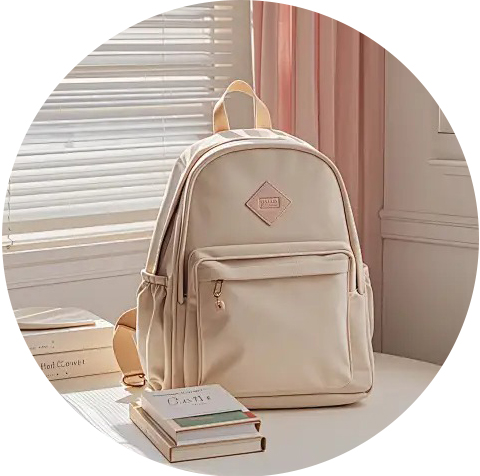
PU-coated polyester is one of the most common waterproof materials for bags. A thin polyurethane coating on the back side keeps water out while the front can take prints or solid colors easily. It’s a good match if you want:
-
Lightweight tote bags for giveaways and retail
-
Branded shopping bags with bold logos
-
Entry-level backpacks that still handle light rain
Costs stay friendly, and you can scale orders without shocking your budget.
Nylon Oxford and Ripstop Nylon
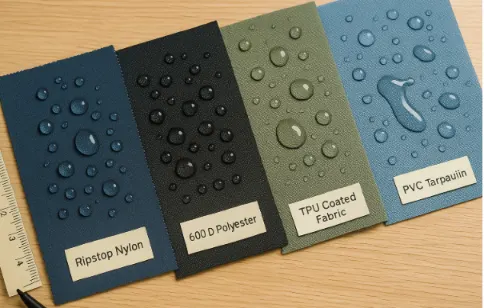
Nylon oxford and ripstop nylon are classic choices for waterproof material for backpacks. They have good tear strength, feel more “technical,” and can be finished with durable water repellent (DWR) plus backing coatings.
These work well for:
-
Daypacks and commuter backpacks
-
Lightweight travel bags
-
School bags that see rough use
If you sell bags into outdoor or sports markets, nylon sits near the top of the list.
TPU Laminated Fabrics
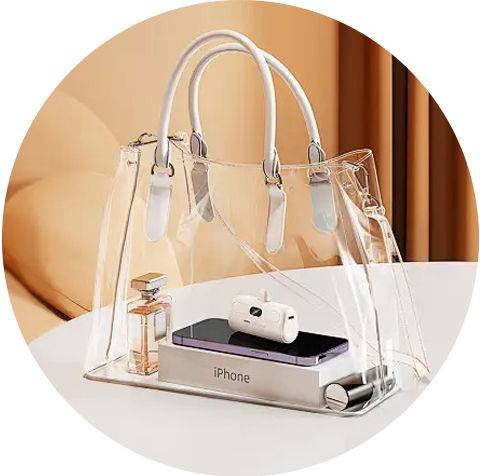
TPU laminated fabric adds a thermoplastic polyurethane layer on one side of a base fabric. It gives you strong waterproof performance without the stiff, plastic feel of some older materials.
You might use TPU when you want:
-
Travel bags that handle heavy rain and rough luggage belts
-
Wet-gear compartments in duffel bags
-
Premium backpacks with clean, modern surfaces
It often costs more than simple coatings, but it lifts the perceived value of the bag.
PVC and Tarpaulin Materials
PVC (often called tarpaulin in the bag world) is that tough, slightly shiny material you see on heavy-duty duffels and gear bags. It is one of the most waterproof materials for bags but comes with extra weight and a more industrial look.
Good fits include:
-
Worksite or tool bags
-
Large travel duffels for harsh conditions
-
Roof-rack or motorcycle bags where weather is serious
If your buyers care more about “bombproof” than “cute,” PVC is still hard to beat.
Coated Canvas
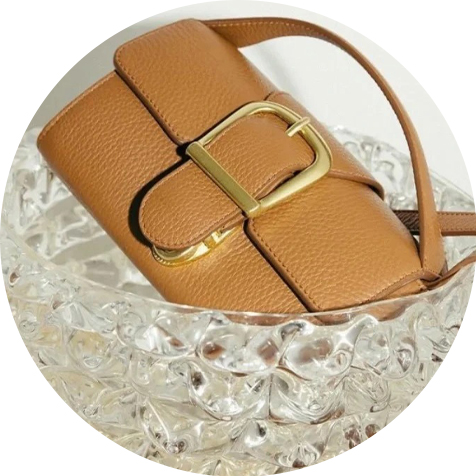
Coated canvas sits in the middle ground: more stylish than straight technical fabrics, more water-capable than plain cotton. A canvas base with PU or other coating gives tote bags a firm hand feel and a more premium look.
It is a strong choice for:
-
City tote bags for work and weekend
-
Travel totes that need a little structure
-
Brand collections where texture matters
You get that “bag with character” feel, while still giving some real rain protection.
Neoprene
Neoprene is a foam-like rubbery material used in wetsuits and some soft bags. It is not always fully waterproof on seams, but it handles splashes, looks sporty and offers padding.
Neoprene works well for:
-
Gym totes or beach bags
-
Laptop sleeves and gadget pouches
-
Trendy urban handbags in bold colors
When you want bags that look “activewear inspired,” neoprene gets attention.
Recycled Waterproof Fabrics
Recycled polyester and nylon with waterproof coatings are becoming more common. They keep the same basic performance as virgin fabric while letting you tell a sustainability story.
If your audience cares about eco choices, recycled waterproof materials in backpacks and travel bags help your brand stand out without giving up function.
How to Match Materials to Totes, Backpacks and Travel Bags
You rarely choose one fabric for every bag. Instead, you match the waterproof material to how the bag will really be used.
For Tote Bags
For everyday totes, you can focus on:
-
PU-coated polyester for promo and grocery totes
-
Coated canvas for office and city use
-
Neoprene for sporty or beach-style designs
Weight, hand feel and color range often matter more than extreme waterproof ratings here.
For Backpacks
For backpacks, especially with tech inside, you usually want:
-
Nylon oxford or ripstop as the main waterproof material for backpacks
-
TPU panels in high-exposure areas
-
Coated zippers or storm flaps on laptop sections
Backpacks see more movement and more sudden showers, so abrasion resistance needs attention as much as water resistance.
For Travel Bags
Travel bags see everything: rain, dust, baggage belts, wet hotel floors. Good candidates are:
-
TPU laminated fabrics for higher-end travel lines
-
PVC / tarpaulin for heavy-duty duffels
-
Recycled waterproof polyester for eco-story collections
It also helps to think about the inside: lining fabric, wet/dry pockets and how easy it is to wipe the bag clean after a trip.
What to Ask Your Manufacturer About Waterproof Fabric
Before you lock in a material for your product line, it pays to ask a few direct questions:
-
What is the coating or lamination type and weight
-
Is the fabric rated in any waterproof test (such as water column)
-
How does the material behave after folding and packing
-
Can you get consistent color and print across large orders
-
Are there recycled or lower-VOC options with similar performance
These questions save you from surprises later, like fabric cracking after a season or colors shifting between batches.
About Chic
Yiwu Chic Trading Co., Ltd. is a bag supplier based in Yiwu, China, focused on custom tote bags, backpacks and travel bags in many different waterproof materials. You can choose fabrics, colors, zippers and branding, so the same style works for both small online shops and larger retail projects.Chic works a lot with coated polyester, nylon, Oxford and PU, which are common waterproof materials for bags used in daily life and travel.The team helps you match the fabric to the job: a light polyester for giveaways, a tougher Oxford for school backpacks, or a thicker coated fabric for outdoor and travel bags.
Conclusion
Choosing waterproof materials for bags is not only a fabric talk, it is a full product decision. You need to think about how rough your customers use their tote bags and backpacks, how much weight goes in, and how often those travel bags meet rain, snow or airport floors. Once you know that, it becomes easier to pick between coated polyester, nylon, Oxford, TPU or other waterproof fabrics and to keep your costs in a reasonable range. With the right material choice, your bags last longer, returns go down, and your brand feels a bit more “serious” to the buyer, even if they never say it out loud.
FAQs
Q1: What is the most common waterproof material for tote bags?
A: For everyday tote bags, coated polyester is very common. It is light, holds color well and adds enough water resistance for light rain and daily use.
Q2: Which waterproof fabric works better for backpacks?
A: Backpacks usually use tougher fabrics like 600D or 900D Oxford or nylon, because they deal with heavier loads and more rubbing on the back and shoulders.
Q3: Are all “waterproof” bags really fully waterproof?
A: Not always. Some bags use water-repellent fabric but normal zippers and seams, so they are better called water-resistant. Fully waterproof bags often need sealed seams and special closures.
Q4: Is TPU better than PVC for travel bags?
A: TPU films and coatings often feel softer and can have better low-temperature performance than PVC. For travel bags that face bending and cold weather, TPU is usually the more stable choice.
Q5: How do you pick one waterproof material for a whole product line?
A: You look at your main customers first. If most buyers need light city bags, coated polyester may be enough. If they want outdoor or heavy travel use, a stronger Oxford or nylon fabric is usually a safer base material.

 consult
 WHATSAPP
 leave message
 top
top