


Bag Charm Trends 2026: How Brands Can Create Collectible Accessories

Bag charms are no longer minor decorations. In 2026, they sit between fashion accessory, branded merchandise, and repeat purchase product. A customer may postpone buying another handbag, but a small charm feels easy to add, especially when it carries a character or useful function.
Strong collections need recognizable design rules, reliable hardware, controlled variation, and room for later releases.
Why Are Bag Charms Becoming Important for Brands in 2026?
A charm gives customers a low risk entry point into a brand. It can attach to a tote, cosmetic bag, backpack, phone strap, or travel pouch.
It also works as a checkout item or bundle add-on. A plain black tote changes immediately when a bright fruit charm or miniature pouch is attached. The effect is visible, affordable, and easy to photograph.
Charm clusters create stronger images than a standard bag shot, making them useful for short videos and seasonal campaigns.
Which Bag Charm Trends Will Define 2026?
The strongest directions give the buyer something to notice, touch, use, or collect.
Character-Led and Story-Driven Charms
Animals, mascots, food shapes, and fictional characters can grow into families. One bear becomes five bears with different colors or expressions.
Original characters work well for brands without licensed intellectual property. Keep one feature consistent—an eye shape, stitched smile, metal badge, or unusual ear—and give each version a simple name.
Tactile and Mixed-Material Designs
Plush, PU leather, silicone, rope, embroidery, beads, and metal often feel stronger when combined. A soft body with a metal logo plate looks more finished than either material alone.
Weight needs attention. A charm that works on a sample board may pull awkwardly on a lightweight cosmetic bag.
Miniature and Functional Accessories
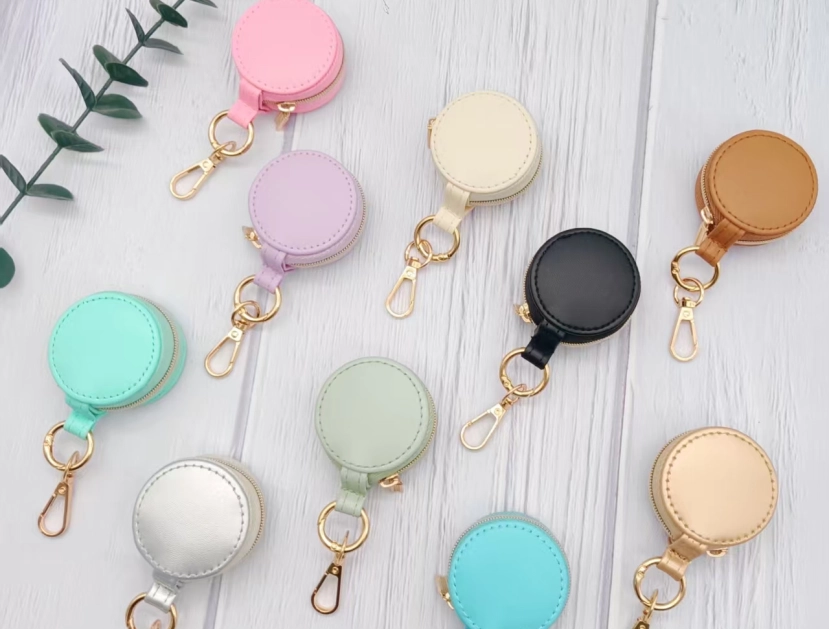
Mini coin pouches, mirrors, AirTag holders, card sleeves, and tiny zip bags give customers a reason to keep using the item after the novelty fades.
Too many snaps, pockets, or hardware parts make a small accessory bulky and increase failure risk.
Personalized and Modular Charm Systems
Initials, interchangeable pendants, detachable straps, and color options let customers extend an existing set instead of buying the same product again.
Use consistent attachment points and standard ring sizes. Without compatibility, “modular” is only a marketing claim.
Limited Seasonal and Cultural Drops
Holiday colors, zodiac symbols, destination themes, and anniversary editions create urgency while the core collection stays available.
The best limited drops still look connected to the brand. Random seasonal graphics may sell once, but they do little for recognition.
What Makes a Bag Charm Feel Collectible Rather Than Disposable?
Collectibility comes from repetition with variation. The customer should recognize the family immediately and still see a reason to own another piece.
A Recognizable Design Language
Keep several elements fixed: silhouette, hardware finish, logo position, stitch style, or color palette. A shelf of unrelated charms looks like general merchandise. A shelf of related forms looks intentional.
A Clear Collection Structure
Use series numbers, character groups, themes, or release seasons. Three to six designs are enough for an opening range: one hero piece, several core options, and perhaps one premium version.
Storytelling and Emotional Meaning
A travel series can represent cities. A mood series can use expressions and colors. A pet series can include breed specific details.
The story does not need a long explanation. A small product card is usually enough.
Durable Construction and Perceived Value
Loose stitching, weak plating, and thin jump rings destroy collectible value quickly.
Check seam strength, clasp tension, edge paint, color transfer, and scratching. The attachment point deserves special attention because it carries the entire product.
How Can Brands Develop a Collectible Bag Charm Collection?
Development is easier when the range is treated as a small product platform rather than a group of unrelated sketches.
Define the Audience and Collection Concept
Choose a specific user and use case. A charm for student backpacks needs different dimensions and pricing from a leather charm for premium handbags.
One clear concept is enough. Pets, travel, astrology, and fruit in the same opening collection usually create noise.
Build a Balanced Product Range
Start with three to six SKUs. Include a hero design, lower cost core options, and one limited or premium version.
A practical setup might use one molded character head, three strap colors, two metal finishes, and one seasonal package. It creates variation without six separate production systems.
Select Materials, Hardware and Attachment Methods
Match materials to target price, weight, and bag type. Lobster clasps are convenient. Split rings are secure. Chains add movement but may scratch coated surfaces.
Prototype and Test the Product
Test samples on real bags. Shake them. Load the pouch. Open and close the clasp repeatedly. Check whether the charm blocks a zipper or hits the user while walking.
Design Packaging as Part of the Collection
Packaging can explain the series, protect hardware, and make the item gift ready. Numbered cards, character profiles, and reusable pouches support the collectible idea.
Keep it compact. Oversized packaging raises freight cost and often adds little value.
How Should Brands Choose a Custom Bag Charm Manufacturer?
Look beyond the lowest quotation. A useful supplier should understand material matching, logo application, sampling, hardware sourcing, packaging, and bulk quality control.
Ask how revisions are recorded between sample rounds. Confirm color standards and request photos of attachment testing before mass production.
Chic manufactures bags, cosmetic bags, totes, crossbody bags, wallets, keychains, and related accessories. That range is useful when charms need to match an existing bag line through shared materials, colors, or hardware.
How Can Brands Use Bag Charms to Generate Repeat Sales?
Release in waves. Keep core designs available, then add new colors, seasonal parts, or characters. Bundle charms with totes, wallets, and cosmetic bags. Give returning buyers early access instead of relying only on discounts.
Customer voting can guide the next release. A choice between three colors often reveals more than a broad survey. Track which designs sell together and which attachments generate returns.
The goal is not artificial scarcity. It is a release rhythm customers can understand.
Conclusion: Turning a Micro-Trend Into a Long Term Product Category
Bag charms are small, but the engineering decisions are not. Character consistency, attachment strength, material balance, and release planning matter more than decorative complexity.
A good collection feels expandable. New colors fit. New characters belong. Production remains manageable.
For brands preparing a 2026 collection, Chic can support custom design development, material selection, logo application, sampling, packaging, and bulk production.
FAQ About Bag Charm Trends 2026
Q: What materials are best for custom bag charms?
PU leather, silicone, plush, fabric, metal, beads, and woven cord all work. The right choice depends on price, weight, durability, and bag type.
Q: How many designs should a brand launch with?
Three to six designs are usually enough. This gives customers choice without creating unnecessary tooling and inventory risk.
Q: Can bag charms be sold with other accessories?
Yes. They work well with tote bags, cosmetic bags, wallets, crossbody bags, key cases, and travel pouches.
Q: What should be tested before bulk production?
Clasp strength, stitching, edge finishing, color transfer, plating wear, product weight, zipper access, and packaging fit.

 consult
 WHATSAPP
 leave message
 top
top