
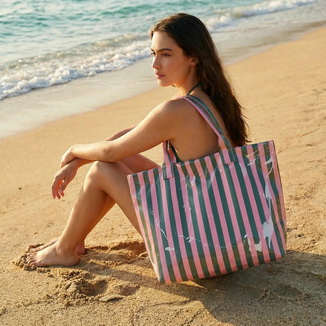


Canvas Backpack for Women: What Brands Should Know Before Choosing an ODM Partner
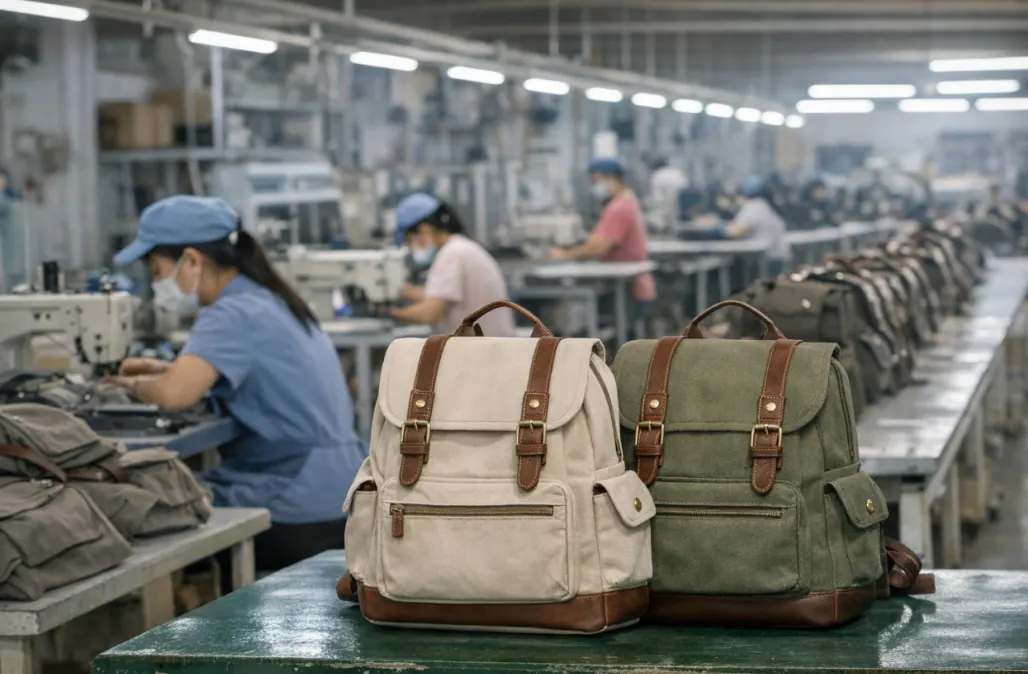
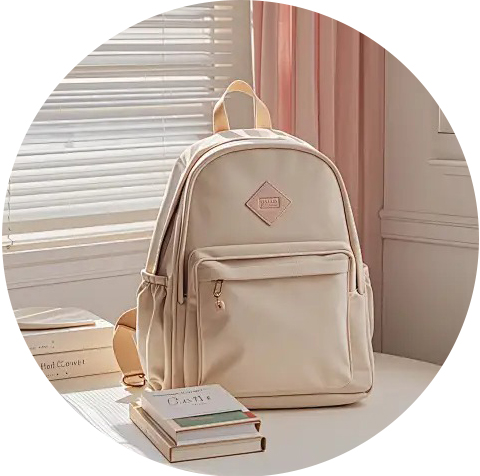
If your next season plan includes a canvas backpack for women, you are not just picking a style. You are choosing a product platform that has to hold up across color drops, repeat orders, and retail feedback loops. In practice, the ODM partner you choose can decide whether you launch on schedule, keep margins stable, and scale without quality surprises. This guide focuses on what matters to brands when selecting a partner for women’s canvas backpacks, especially when you want speed without losing control.
Why Canvas Backpacks for Women Are Often Developed Through ODM
A canvas backpack for women sits in a sweet spot: it is familiar to buyers, flexible for styling, and easy to extend into a small collection. That is why many brands start with a canvas backpack ODM approach to reduce development time and get a proven base pattern that already works in production. The point is not to copy a generic bag. The point is to use a mature foundation so your team can spend energy on the changes that actually improve sell-through: silhouette, pocket logic, trims, and branding details.
For many categories, ODM fails because the product is too technical or too new. Women’s canvas backpacks are the opposite. The category is mature, the production steps are repeatable, and most experienced factories have already solved the common issues: seam strength, strap anchoring, pocket alignment, and washability. One strong bag ODM partner should help you move fast while keeping a clear boundary around what is standard and what is customized.
Key ODM Capabilities That Matter for Women’s Canvas Backpacks
When you evaluate a canvas backpack manufacturer, avoid treating all “canvas” as equivalent. A capable partner should demonstrate control in three areas: materials, structure, and scale consistency.
Material Control Beyond “Canvas”
In supplier conversations, “canvas” can mean different fiber blends, different weights, different coatings, and very different performance. For a custom canvas backpack, you want a partner that can offer options and explain tradeoffs rather than pushing whatever is easiest for them to source. Ask about:
- Fabric weight ranges and what each range is best for (shape retention vs softness)
- Color consistency across lots for core colors
- Surface treatments that affect water resistance, stain behavior, and hand feel
- Hardware and webbing sources that match your target positioning
If you are building a private label canvas backpack line, material consistency becomes your brand promise. Your women’s backpack has to look and feel the same when a customer buys colorway #3 six months later.
Pattern and Structure Execution
Women’s backpack looks simple until you fit it on real bodies and load it with real daily items. Small pattern choices change comfort and perceived quality. Your women’s backpack manufacturing partner should show they can adjust:
- Strap angle and padding thickness for better carry
- Top opening geometry for easier access
- Pocket depth and placement so the bag stays balanced
- Base reinforcement so the bag stands and keeps shape
This is where ODM should shine. The best canvas backpack ODM partner does not just send you a catalog. They explain what modifications are safe without breaking production stability, and what modifications require new tooling, new jigs, or more sampling cycles.
Hardware and Detail Consistency at Scale
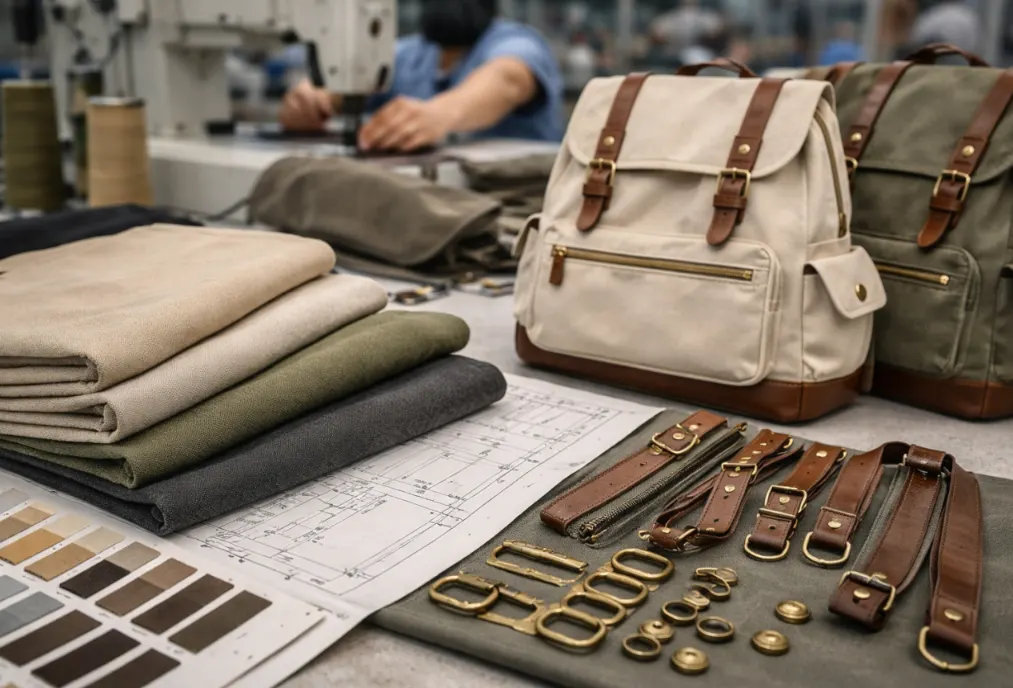
Many brands are surprised by how quickly “small details” become major issues when you scale. Stitch density, zipper smoothness, and logo alignment are the difference between a bag that feels premium and one that feels random. If you plan bulk canvas backpacks, your partner should have a defined quality system that catches these issues before cartons ship.
For a canvas backpack factory, consistency is a capability, not a promise. Ask how they control:
- Incoming hardware inspection (zippers, sliders, buckles)
- In-line checks for stitch quality at strap anchor points
- Final inspection standards tied to your brand requirements
- Rework process and how defects are classified and tracked
Where Brands Often Misjudge ODM Partners
Brands usually do not fail because they chose the “wrong style.” They fail because they chose the wrong production partner for their stage.
Assuming ODM Automatically Means Faster Time-to-Market
ODM can be fast, but only if the workflow is disciplined. If a partner is slow to confirm specs, unclear about changes, or inconsistent in sample execution, ODM becomes slower than a clean canvas backpack OEM project. Speed comes from clarity: what is standard, what is customized, and what is locked before production.
Over-Relying on Existing Designs
Choosing a ready pattern is fine. Shipping a bag that looks like everyone else is not. A private label canvas backpack manufacturer should help you build a recognizable identity through controlled changes: trim selection, pocket signatures, lining color strategy, patch placement, and consistent proportions across the line. This “semi-custom” approach keeps development practical while avoiding the commodity trap.
Ignoring SKU Expansion and Repeat Orders
Your first order is rarely the hardest. The hard part is repeating it, adding colors, and growing into a small family. Brands that plan ahead will evaluate the backpack supply chain behind the factory: fabric availability, lead times, and whether the partner can hold stable specs across multiple POs.
A Real-World ODM Selection Scenario in Canvas Backpack Projects
Here is a common pattern brands see with a canvas backpack for women launch. Early samples look great, but production exposes gaps.
Initial Challenges
The brand approves a sample quickly, then faces problems during scale-up: slight color drift between rolls, straps that feel different between batches, or pocket stitching that shifts enough to look “off” in product photos. The brand also realizes communication is fragmented—one person promises changes, another person ships the old version.
Why the Final ODM Partner Stood Out
The winning canvas backpack manufacturer brings structure. They document every approved element, confirm what is locked for production, and propose a sampling plan that mirrors real manufacturing steps. They also offer controlled options—two fabric weights, three zipper suppliers, and clear pricing impacts—so the brand can decide with business logic instead of guesswork. In many cases, a “slightly higher” quote is actually cheaper when you account for fewer delays and fewer defects.
Results After Alignment
Once the brand works with a stable canvas backpack ODM partner, the product line becomes easier to grow. The brand can launch new colors on schedule, reduce QC disputes, and expand into matching accessories without reinventing the workflow each time. That is how ODM becomes a growth lever instead of a bottleneck.
The Questions You Should Ask Before You Commit
Before you choose a women’s canvas backpack supplier, make sure you can answer these:
- Are you optimizing for rapid launch, or for a scalable platform with repeatable quality?
- What are your non-negotiables: fabric hand feel, hardware grade, or structure?
- Do you need light customization, or do you need differentiation that requires deeper development?
- Can the partner support your next three SKUs, not just this one?
If you want China sourcing, is the partner positioned as a canvas backpack OEM factory China option with stable export experience and documentation discipline?
These questions keep you aligned on outcomes, not just samples.
Conclusion
A canvas backpack for women can be one of the most dependable products in a women’s bag line, but only if your manufacturing partner fits your brand stage. The right ODM partner helps you move quickly using proven foundations, then makes smart, controlled changes that protect quality at scale. When you evaluate a custom canvas backpack for women project, prioritize material control, pattern execution, and detail consistency across repeat orders. Do that, and your canvas backpack program becomes a repeatable business system—not a one-time launch.
About Chic as a Canvas Backpack ODM Partner
Chic works with brands and retailers developing scalable bag lines, with a focus on practical ODM solutions for everyday categories such as canvas backpacks for women. Rather than treating ODM as simple style selection, Chic approaches each project from a production and lifecycle perspective—how materials behave across repeat orders, how patterns translate from samples to bulk, and how small design adjustments affect consistency at scale. By combining established canvas backpack manufacturing processes with controlled customization options, Chic supports brands that want to move quickly while keeping long-term quality and supply stability under control.
FAQ
Q1: How do you keep a canvas backpack for women from looking generic in ODM projects?
A: Use a proven base pattern, then build a signature through consistent proportions, trim choices, pocket layout, and branded details. Semi-custom changes often deliver better differentiation than risky full redesigns.
Q2: What should you request first from a women’s canvas backpack supplier?
A: Ask for a focused style shortlist plus a material menu with clear weight and finish options. You want to see selection logic, not just a long catalog.
Q3: Is ODM always better than canvas backpack OEM for brands?
A: Not always. ODM is great for speed and a mature category, but OEM can be cleaner when you already have a tight tech pack and need strict control over every detail.
Q4: What is the biggest risk when ordering bulk canvas backpacks?
A: Assuming the approved sample equals mass production. The biggest risk is inconsistency at scale—color drift, hardware variation, and stitch quality changes—so your QC plan and documentation must be production-level.
Q5: What makes a private label canvas backpack manufacturer easier to work with long term?
A: Clear sampling stages, stable sourcing for core materials, consistent QC standards, and fast communication that confirms changes in writing before production starts.

 consult
 WHATSAPP
 leave message
 top
top