



Related news
-
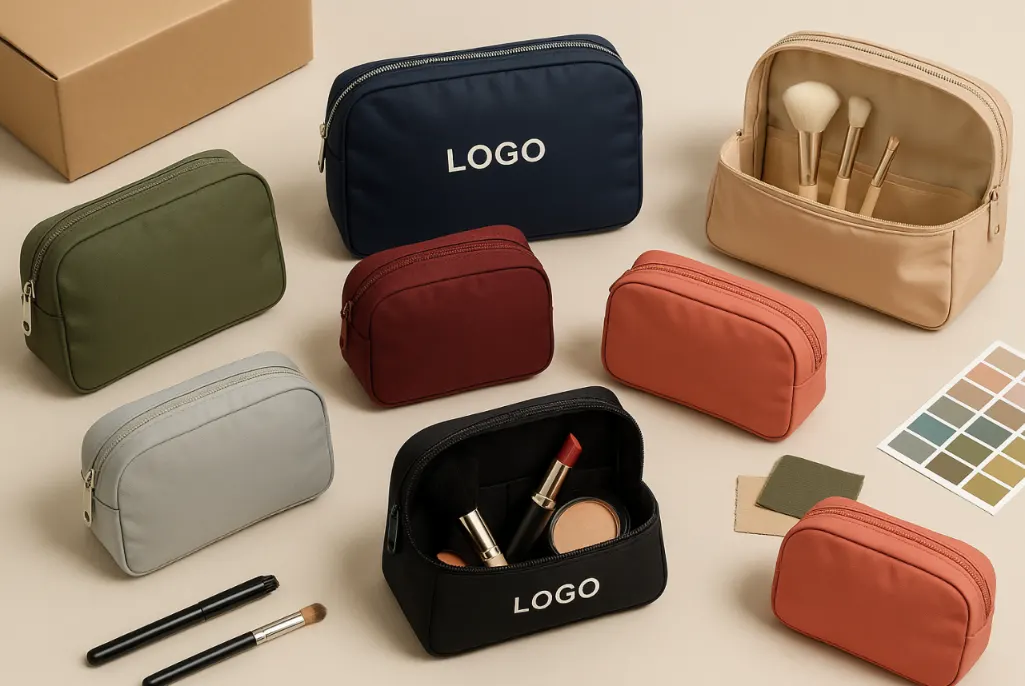
Custom Nylon Makeup Bags Wholesale: MOQ, Pricing, and Ordering Guide for Beauty Brands

-
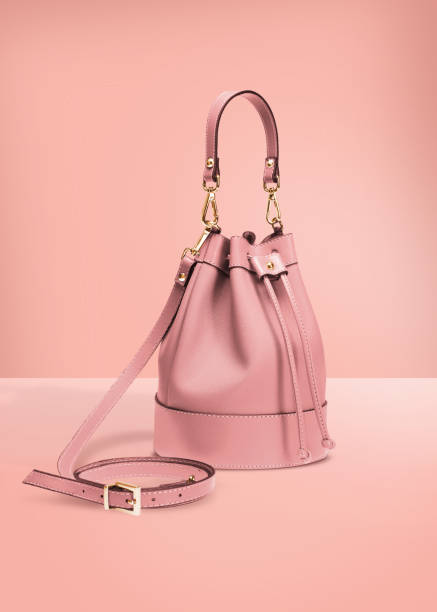
Workwear, Casual, or Weekend Look: Ways to Style a Pink Leather Tote Bag

-
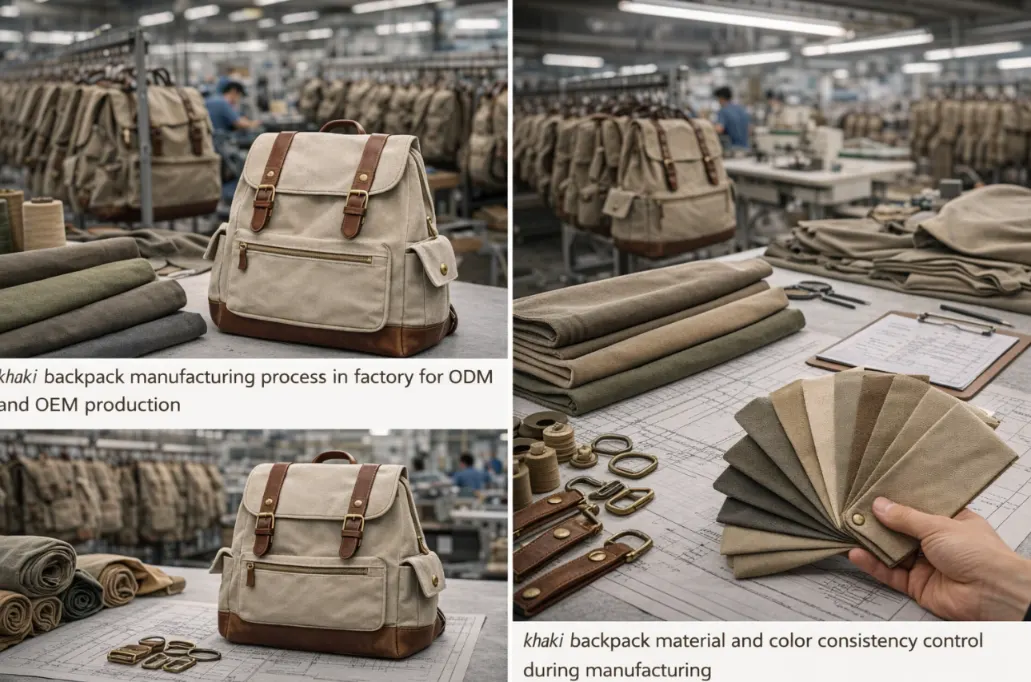
Khaki Backpack Manufacturing: ODM and OEM Considerations for Brands

-
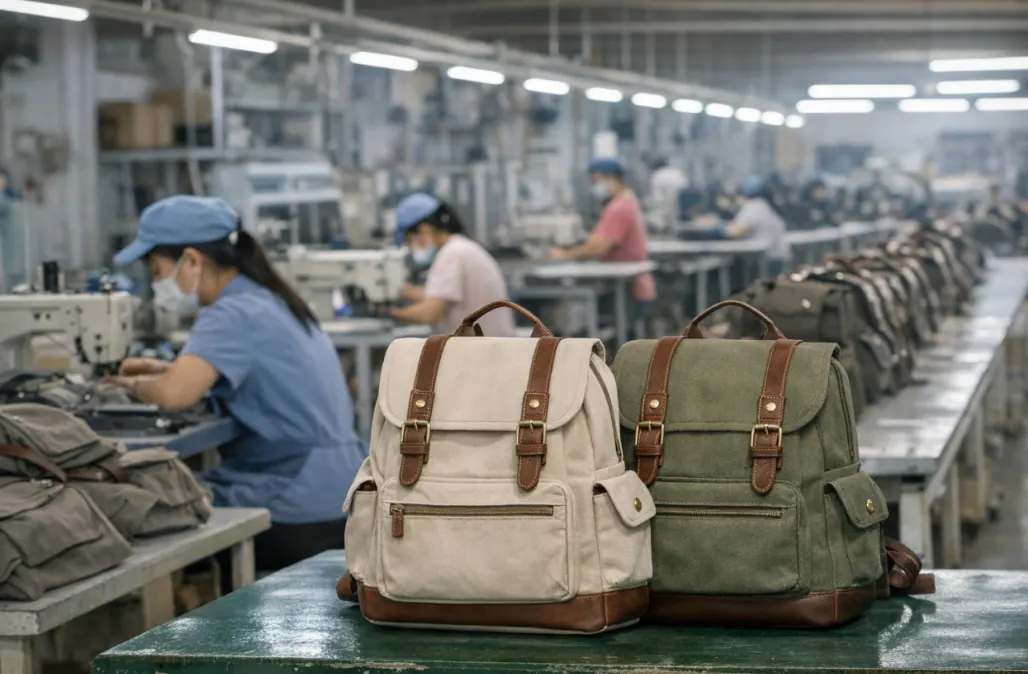
Canvas Backpack for Women: What Brands Should Know Before Choosing an ODM Partner

Custom Bag Straps: Webbing Types, Printing Methods, and Anti-Fray Tips for Durability
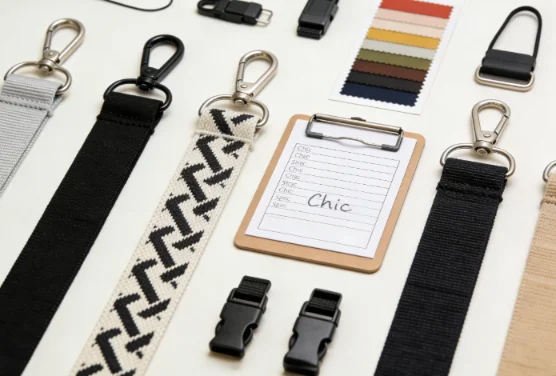
Why Do Bag Straps Matter More Than Most Buyers Expect?
A strap is the part your customer touches all day. It gets adjusted, pulled, rubbed against coats, and slid through hardware. If the strap twists, feels scratchy, or starts shedding fibers, customers blame the whole bag. And strap issues show up fast. The bag body can hide a small flaw, but a frayed edge is loud.
Before you lock webbing and printing, it helps to work with a supplier that treats straps as a real product category, not an accessory afterthought. Chic is a bag and accessories manufacturer that started in 2020 with simple PU and nylon cosmetic bags, then expanded into multiple bag categories plus accessories such as straps, tags, keychains, and other PVC accessories. It also shares practical production capacity details, including a 1,000 square meter plant, over 100 employees, and equipment counts like 80 sewing machines, 3 cutting machines, and 10 pattern machines, with monthly production stated as more than 60,000 pieces. Those are the kinds of specifics that help you set expectations on sampling speed, repeat orders, and how much detail control a supplier can handle without chaos.
The Most Common Strap Complaints That Trigger Returns
Customers rarely describe straps in technical terms. They just say the bag “feels cheap” or “doesn’t sit right.” In practice, the usual triggers are:
- Fraying at cut edges or near hardware contact points
- Fading prints or cracked ink in flex zones
- Slipping adjusters that won’t hold length
- Strap twist from the wrong weave stiffness
- Hardware rubbing that chews the webbing over time
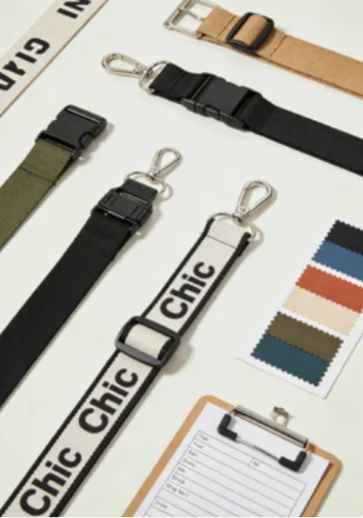
What Webbing Types Should You Consider for Custom Bag Straps?
Webbing type sets the tone for your strap: handfeel, stiffness, abrasion resistance, print performance, and fray risk. Start from how the bag is worn. A sling tote, for example, depends on the long shoulder strap to make a larger bag feel light and easy on the body. That use case pushes you toward comfort and twist control, not just strength.
If you want a quick way to filter straps by end use, Chic groups straps into practical buckets like Yoga, Running & Cycling & Skiing, and Fitness & Daily, which is a simple reminder to spec straps by activity, not only by look.
Nylon Webbing
Nylon is common for daily straps because it’s strong and usually smooth on the shoulder. Nylon also comes in variants that behave differently, including coated nylon and ripstop structures, which is why it’s smart to approve the real webbing sample before you lock printing. Watch-outs include edge sealing quality and color stability between lots.
Polyester Webbing
Polyester often holds printed color well and can be a safer pick for bright patterns. If your strap is branding-heavy, polyester can make repeat orders easier. The tradeoff is feel: some polyester webbings run stiff if the weave is not tuned.
Cotton Webbing
Cotton reads casual and natural, but it frays more easily. If cotton is the look, plan an edge finish that controls fibers, not a quick trim-and-go build.
Jacquard Webbing
Jacquard straps weave the pattern into the strap. Branding lasts longer because it isn’t sitting on top as a print layer. You usually pay with longer development time and higher setup requirements.
How Do You Choose Strap Width, Thickness, and Comfort Specs?
“Comfort” becomes real when the bag carries weight for hours. If your product is meant to hold more than a phone and keys, a narrow strap can cut into the shoulder and turn a good bag into a return. Sling totes are often described as carrying essentials plus a small notebook, maybe even a tablet and a water bottle. That load punishes thin straps.
A Practical Width Guide by Use Case
- Mini crossbody: narrow straps can work when total load is light
- Everyday crossbody: mid-width usually feels better for long wear
- Travel or heavier carry: wider straps or a shoulder pad zone helps a lot
Hardware Fit Is a Spec, Not a Guess
Match webbing thickness to sliders, tri-glides, and hooks. Too tight and metal scrapes edges. Too loose and the strap slips, then customers keep re-adjusting all day.
What Printing and Branding Methods Work Best on Webbing?
Printing method should match the webbing surface and how the strap flexes. If the logo cracks near an adjuster, it looks like a quality failure even if the bag body is perfect.
Chic’s customization guidance calls out that you should send artwork in AI/PSD, confirm logo size, confirm placement, and confirm logo type before production. That simple workflow matters more on straps because placement drift is obvious when worn.
Screen Printing, Heat Transfer, Digital Printing, and Jacquard
- Screen printing: solid logos, good cost at scale, can crack in high-flex zones
- Heat transfer: sharp detail, good for smaller runs, can peel if surface prep is weak
- Digital printing: complex patterns, but control color between lots
- Jacquard: premium durability, but plan extra setup time
How Do You Prevent Fraying and Edge Damage?
Fraying is not only an edge problem. It often starts where hardware rubs or where stitching punches through the weave at stress points. Manufacturing guides for larger bags often stress that process matters more than a single step, especially when you scale. The same logic applies to strap ends and folds.
Cutting, Edge Finishing, and Stitch Choices That Reduce Fray
- Hot knife or ultrasonic cutting for synthetics to seal fibers cleanly
- Folded edge stitch or binding tape for cotton and premium builds
- Box-X and bartack patterns at ends to spread load and prevent tear-out
What Quality Checks Should You Require Before Bulk Production?
QC is where “sample good, bulk bad” gets prevented. Ask for measurable checks, not vague promises.
Chic’s service page states free sample design and customized sample production, with samples finished after 7–10 days, then shipped via common express options if shipping cost is covered. That timeline is a useful benchmark for how quickly you can test strap handfeel, printing, and anti-fray details before bulk.
The Minimum Strap QC Set
- Pull strength check at attachment ends
- Abrasion and rubbing check where webbing touches metal
- Color fastness and crocking check for dyed or printed straps
- Hardware fit check to confirm no scraping or slipping
FAQ
Q1: What Is the Best Webbing for Crossbody Bag Straps?
A: Nylon is a common daily choice for strength and smooth feel, while polyester often works better for bright prints and color stability. If branding longevity matters most, jacquard weaving usually lasts longer than surface printing.
Q2: Jacquard Straps vs Printed Straps, Which Lasts Longer?
A: Jacquard straps tend to last longer because the pattern is woven into the structure. Printed straps can look sharp but may wear faster in high-flex zones near adjusters.
Q3: How Do You Stop Cotton Webbing From Fraying?
A: Plan edge control early. Use a clean cut, then add a folded edge stitch or binding tape. Also reinforce strap ends with strong stitch patterns so fray doesn’t start at stress points.
Q4: What Printing Method Works Best on Nylon Webbing Straps?
A: It depends on the nylon surface and artwork. Screen printing works for bold logos, while transfer or digital methods can handle more detail. Always test on the actual webbing you will use, since nylon variants behave differently.
Q5: How Fast Can You Get a Strap Sample Before Bulk?
A: Sampling time depends on webbing and branding method, but a practical reference is a supplier that states customized samples can be finished in about 7–10 days, so you can validate handfeel, printing, and edge finish before committing to bulk.

 consult
 WHATSAPP
 leave message
 top
top