



Related news
How Many Cards Can a Keychain Wallet Hold Without Becoming Annoying?
Understanding the Design and Functionality of Keychain Wallets
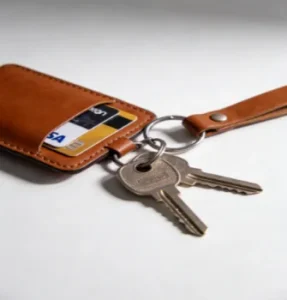
Keychain wallets work as small, handy items for people who want easy carrying and items that do more than one job in daily life. They attach right to your keys, a wrist strap, or a neck cord. This gives quick access without losing basic space for storage. More and more types of keychain wallets appear now. They fit different ways of living, from simple styles to ones that look nice or allow hands-free use.
Common Types of Keychain Wallets
The most common one is the simple keychain wallet. It focuses on being very small and light. These usually have a thin shape and use lightweight stuff. They suit people who like to carry just a few important cards. The main point is to cut down on extra weight while still working well.
Another popular type is the key ring bangle wallet. It mixes good looks with real use. Many come from pretty but strong materials. You wear it like a bracelet on your wrist. It has a little pocket or card spot. This works great for people who want style and usefulness together. It helps a lot when you go out and do not want a big bag.
For folks always moving around, the lanyard zip pouch wallet gives safety and ease. You can wear it around your neck or clip it to a belt or bag. The zip parts let you reach things fast. At the same time, they keep cards and small items like coins or keys safe inside.
Material and Construction Considerations
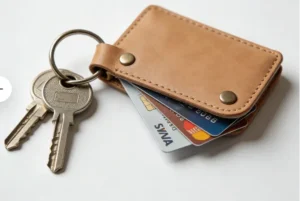
The stuff used to make a keychain wallet matters a lot. It affects how bendy it is, how heavy it feels, and how long it lasts. Leather gives a nice, high-quality touch and holds up well over time. But it does not stretch much. So it may not hold as many cards as nylon or man-made fabrics. Those synthetic kinds often bend more easily. They let you add extra cards without making the wallet much thicker.
The way it closes also changes how easy it is to use. Zip closures keep things from falling out. They add some safety. But they can make the wallet a bit bigger and need both hands to open. Snap buttons open quicker. Yet they might wear down if you stuff too much inside over time.
Strong stitching and good metal parts, like rings or clips, help the wallet last longer. If the build is weak, it can rip or lose shape when you use it a lot. This happens more if you put in too many cards and push it hard.
Evaluating Card Capacity in Relation to Usability
Keychain wallets aim to stay small. But you need to check how many cards they hold in real life based on comfort and how often you use them. Going over the good limit often makes things annoying and harder to handle.
Average Card Capacity Across Wallet Types
Most simple keychain wallets hold about 4–6 cards without trouble. This small number fits their goal. It keeps weight low and lets you grab important things like ID, a credit or debit card, and maybe a bus or train pass easily.
Key ring bangle wallets can take a few more cards because of their pouch shape. Some models hold 5–8 cards. You can even add a couple of folded bills or a small key part. This stays okay without hurting the nice look or how it feels on your wrist.
Lanyard zip pouch wallets usually hold the most among these types. Their bigger sections and organizing spots let them take up to 10 cards. You can also add cash and tiny extras. But this works best if the design handles it without pulling too hard on the zip or sides.
Factors That Influence Perceived Annoyance
Even with these numbers, some things can make more cards feel like a hassle. One big problem is getting a certain card out when spots are too tight. You might have to pull everything out just to find one. That gets old fast.
Another issue is extra thickness. A wallet that grows too fat can feel odd in your pocket. It might bother you on the wrist or neck too. This bulk takes away the point of easy carry. It can also bump into your phone or keys.
Weight adds up as well. More cards mean more heaviness. This pulls on wrist straps, zips, or neck cords. Over time, it makes moving feel less smooth and can cause some discomfort.
Balancing Functionality and Comfort
Finding the right mix of usefulness and ease means picking a wallet that matches your daily habits. A wallet that is too big loses the benefit of being small. One too tiny might not hold what you need.
The Role of Daily Use Scenarios
People who commute often need fast access to bus passes or door cards. For them, a simple keychain wallet works best. It lets you grab things quickly without opening zips or flaps. Speed matters more than holding lots.
Travelers deal with different needs. They might carry passport cards, hotel keys, or cards from other countries. So they like key ring bangle wallets or zip pouches. These keep many items neat and safe from getting lost.
Folks who run, go to the gym, or stay active want very little bulk. They carry just must-have cards. A light simple keychain wallet with strong closures fits them well. It keeps everything in place even when you move a lot.
Ergonomic Impacts of Overloading a Keychain Wallet
Putting too much in causes several comfort problems. The wallet gets thicker and uneven in weight. When attached to keys or worn on neck or wrist, it can twist or pull. This stresses both you and the wallet parts.
Overstuffing also wears out zips or snaps faster. You tug hard on full spots often. That hurts stitching and fabric after a while.
When the wallet bulks up too much, it fights for room with other things. Keys get harder to find. Lanyards might tangle with headphones or badges. Pockets can stick out in strange ways.
Optimization Strategies for Card Carrying Efficiency
Cutting down what you carry makes the wallet work better and last longer. Good setup lowers mess. It keeps quick access and nice feel.
Prioritizing Essential Cards Only
A smart way is to pick only the key cards. Things like your ID, one debit or credit card, and a transit pass go in the easiest spot. This helps you get them fast.
Cards you use rarely—like store rewards or club IDs—can go somewhere else. Put them in a bag or use phone apps instead. This keeps your main wallet thin and smooth.
Leveraging Modular Storage Systems
Some setups let you add or remove parts. Detachable spots work when you need more cards for trips or work. You take them off other times.
Phone digital wallets help a lot too. You can add credit cards, IDs, tickets, or entry codes to apps. This cuts down on real cards. It makes things safer and easier without extra weight or size.
Recommendations Based on User Preferences and Lifestyle Needs
Choosing the right wallet depends on how you live. Different habits need different designs, sizes, and comfort levels.
Minimalist Users Seeking Ultra-Light Carry Options
For people who want super light carry, stick to 3–4 main cards in a slim keychain wallet. This keeps things comfy. It covers normal daily needs without issues.
Fashion-Conscious Users Using Key Ring Bangle Wallets as Accessories
If you like key ring bangle wallets for looks, keep it to 5–6 cards. Maybe add a few folded bills if there is room. More than that can change the shape and make it look less nice.
Active Users Relying on Lanyard Zip Pouch Wallets for Versatility
Active people with lanyard zip pouch wallets can go higher if the design holds up well. Around 8–10 cards works when sections stay neat and parts are strong. But if it feels bad during activity or pulls on zips, take some out.
By knowing how materials, closures, card limits, and daily life work together in keychain wallets—from simple designs to pretty bangle styles and useful zip pouches—people can pick wisely. This improves comfort and usefulness for everyday carry.

 consult
 WHATSAPP
 leave message
 top
top