


How to Find Custom Handbag Manufacturers for Startups
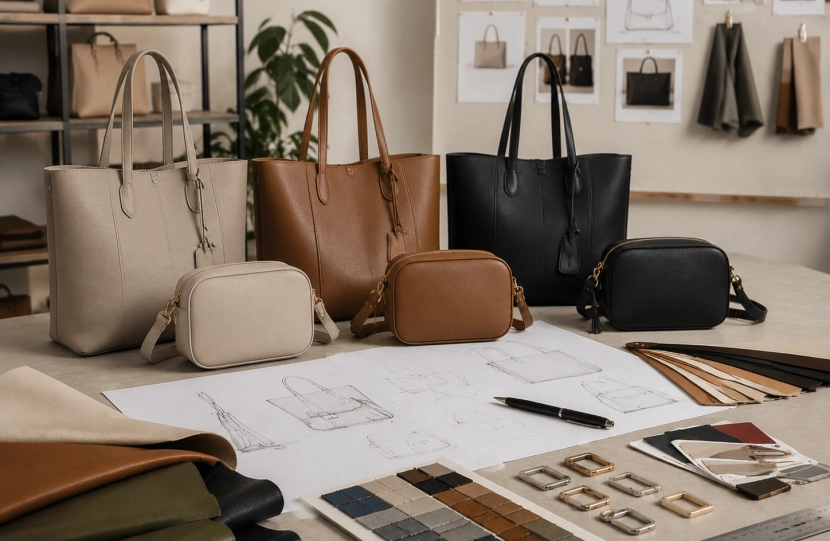
Finding the right custom handbag manufacturer can shape how a startup gets started. The choice affects product quality, pricing, and the speed your designs reach buyers. New businesses that find good partners early often grow faster. They keep brand style steady and skip big production problems.
Why Manufacturer Selection Matters for Startup Success
Picking a manufacturer is not only about getting tote bags or crossbody bags made at the cheapest price. It means working with someone who gets your brand idea and can keep quality steady. A good manufacturer shapes how well the bags turn out, how much they cost, and whether they arrive on time. When both sides know what to expect, things move smoother from the first sample to the final shipment.
A solid partnership keeps the brand look the same. Every stitch and piece of hardware shows what the brand stands for. Over time the link helps the business grow when new styles come out or new places open up. Bad choices, though, bring late launches, bad batches, or higher costs that eat startup money before any profit shows up.
Key Differences Between OEM and ODM Manufacturing Models
Before reaching out to factories, startups need to know how OEM and ODM models work. OEM makes handbags from the client’s own designs and details. This fits brands that already have design teams and want full say over materials, shape, and finish.
ODM gives ready styles that can be changed with logos or colors. It suits startups that want to sell fast without spending much on new designs. Knowing both options helps pick the better path. OEM gives more original work and control. ODM gives quicker start and lower early costs.
Defining Your Handbag Brand Requirements Before Searching for a Manufacturer
Before looking at suppliers online or going to trade shows, it helps to know what the brand means and which handbags it will sell. This clear idea guides talks with manufacturers later.
Identifying Your Target Market and Product Range
Figure out if buyers want tote bags for work or small crossbody bags for daily use. Match size, use, and look to how people live and what they spend. Check fashion reports or social media to spot styles and materials that are catching on in the niche.
Setting Quality Standards and Material Preferences
The material choice sets both how long the bag lasts and how much it seems worth. Some pick real leather for a high-end feel. Others use canvas for buyers who want eco-friendly options. After fabric, note stitching, zippers, linings, and metal parts so every batch looks alike. Set clear checks during sampling so the whole run meets the mark before full production starts.
Where to Find Reliable Custom Handbag Manufacturers
Once the needs are clear, several places can help find partners who can make custom handbags in bigger amounts. Sites like Alibaba, Global Sources, or Made-in-China show many checked suppliers that do OEM and ODM handbag work.
Trade shows still work well for meeting manufacturers in person. You can check samples right there, talk about changes on the spot, and see prices more clearly than online. Manufacturer sites give clear details on what they can do before any message.
Evaluating Potential Manufacturers for Your Startup Needs
After picking possible partners, checking them closely matters so later steps do not go off track.
Assessing Production Capabilities and Experience Level
Make sure the factory focuses only on handbags and not mixed items. This gives better skill in steps like edge painting or strong stitching. Ask about minimum order sizes. Many suppliers now allow smaller amounts for new brands trying the market. Look at factory size, machines like cutting systems, worker training, and room to grow if orders rise fast.
Reviewing Quality Control Processes and Compliance Standards
Steady manufacturers check at many stages, from fabric in to final packing. Ask for papers that show they follow global rules such as ISO or outside checks on fair work. Brands that care about social issues should confirm fair pay and safe spots. This lines up with buyers who want sustainable choices.
Building a Productive Partnership with Your Handbag Manufacturer
Once the right manufacturer is set, the focus moves to working well together.
Communicating Design Specifications Clearly
Send full tech packs with sizes, materials, colors, hardware, logo spots, and even thread color if needed. This cuts down mix-ups when samples are made. Digital or 3D views help show complex bags better than flat drawings. Keep notes in email or project tools so changes stay clear.
Negotiating Pricing, Lead Times, and Payment Terms
Clear talks stop later fights. Break quotes into parts like fabric cost per meter, labor, packing, and shipping to the port. Set real delivery times while thinking about busy seasons. Tie payments to steps like a first payment after sample approval. This keeps money in check and cash moving for both sides.
Managing Sampling and Production Stages Efficiently
Even after papers are signed, close watch helps through sampling and big runs.
Requesting Prototypes Before Mass Production
Always ask for samples before green-lighting large orders. Look at the work up close. Check zipper fit, seam pull strength, and color match on panels. Give notes fast so fixes do not push back the schedule.
Overseeing Bulk Production Progress
While big runs take weeks or months based on size, ask for weekly updates with photos or short videos from the floor when possible. Fix small issues early. Tiny differences from the approved sample can turn into costly fixes if left until the end.
Scaling Your Handbag Business with Long-Term Manufacturing Support
As sales rise thanks to steady quality and on-time delivery, the next move is growth through shared new ideas.
Developing Exclusive Designs Through ODM Collaboration
Work with the factory design team to build new season collections that follow trends yet stay true to the brand. Changing ready templates cuts design costs while keeping fresh items each season. This works well in early growth when money is still tight.
Expanding into Wholesale or Private Label Opportunities with Chic
Ready to turn your handbag concept into a market-ready collection? Chic supports startups with flexible OEM and ODM handbag manufacturing, custom material options, private label solutions, and clear production guidance from sampling to bulk delivery. Contact us today to discuss your design ideas, production needs, and brand goals, and start building a reliable custom handbag supply chain for your growing business.
FAQs
Q1: How do I verify if a handbag manufacturer is legitimate?
Check business papers online through local offices or ask for ISO9001 or similar proofs.
Q2: What is the typical MOQ for custom handbag manufacturing?
Most factories set MOQs between 100–300 units per style but can lower the number for new startups testing demand.
Q3: Can I request multiple material options during sampling?
Yes—many allow side-by-side looks at different fabrics like PU leather versus canvas before the final pick.
Q4: How long does it take from prototype approval to bulk shipment?
Lead times usually run 30–60 days based on order size, style complexity, and material supply.
Q5: What factors influence handbag production costs most?
Material type such as genuine leather versus synthetic, hardware grade like brass versus alloy, and how much labor the build needs all shape the final price per unit.

 consult
 WHATSAPP
 leave message
 top
top