


Related news

How to Launch Your Private Label Cosmetic Bag Line OEM Guide (2026)
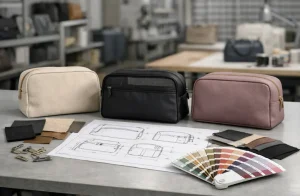
The beauty market is growing fast. By 2027, the numbers are going to be huge. Think about it. Every new face wash, lipstick, or travel set needs a place to live. For people who start brands or sell on Amazon, selling private label cosmetic bags is smart. It is not just about selling a pouch. It is a great way to make a good profit. Plus, it keeps your brand in your customer’s hands every single morning.
But having an idea is easy. Turning a sketch into a real product you can hold? That is the messy part.
You have to find fabric. You have to understand factory language. There is always a risk that you order 500 bags, and they show up looking wrong. The supply chain has traps. It is hard to find a good custom makeup bag manufacturer who will not disappear after you pay the deposit. If you pick the wrong fabric or cheap zippers, you kill your profit before you even ship one box.
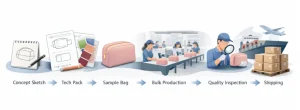
This guide is your map. We will go from the first idea to the warehouse. We are skipping the fancy talk. We will focus on the hard truth of sourcing. You need to know how to build a tech pack and how to get your goods out the factory door.
Market Positioning and Niche Selection
Don’t send an email to a factory yet. Wait.
First, you must know where this bag fits in the real world. If you just want to make a “makeup bag,” you might fail. The market is too full of plain bags. The money is in the specific use.
You have to make a choice. Is this a luxury item? Or is it a free gift?
Think about a travel case for a high-end store. It needs strong vegan leather. It needs hard dividers inside to keep bottles safe. Now, think about a “gift with purchase” pouch. That just needs to be cheap and printable.
Maybe you want to sell to professional makeup artists. They don’t care about cute flower prints. They want clear PVC so they can see their tools. They want linings that are easy to wipe clean.
If you decide who the customer is now, you save time later. You won’t have to argue about material costs if you know the target price from day one.
Designing Your Product (The Tech Pack)
You cannot just send a photo you found on Pinterest to a factory. It is not enough. Factories follow instructions. They don’t guess your “vibe.”
To get a sample that works, you need a Tech Pack. This is just a fancy name for your blueprint.
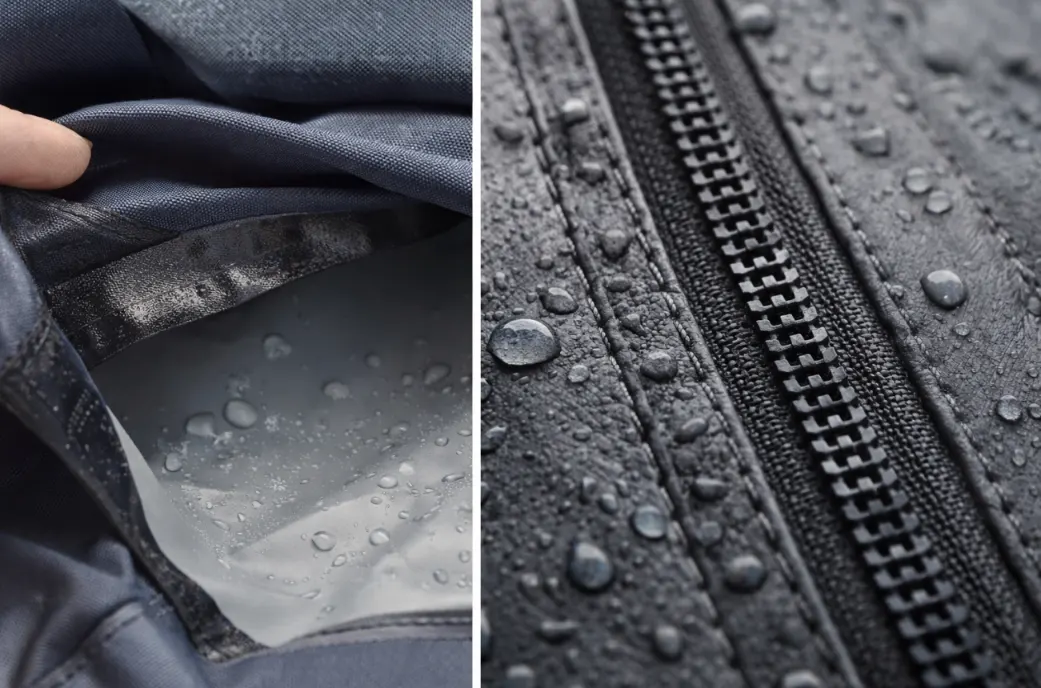
A good Tech Pack needs numbers. What is the height? The width? The depth? You need to point out every pocket. You must tell them what materials to use. If you don’t know which fabric fits your budget, you should stop and look at a comparison of waterproof bag materials.
It makes a big difference. If you pick 420D Nylon, it feels expensive. If you pick standard polyester, it feels cheaper. The factory needs to know. Also, don’t forget color codes. Use Pantone (PMS) numbers. If you just say “blush pink,” the factory might give you neon pink. Be specific.
Finding the Right Custom Makeup Bag Manufacturer
Go to Alibaba or Google. You will see thousands of suppliers. They are not all the same.
You will see trading companies. You will see direct factories. The difference is money and control. Choosing the right custom makeup bag manufacturer is the difference between getting a partner or just a middleman.
Trading companies are often easier to talk to. Their English might be better. But, they charge extra. Direct factories are different. They offer better prices. You have more control if you want to change the design.
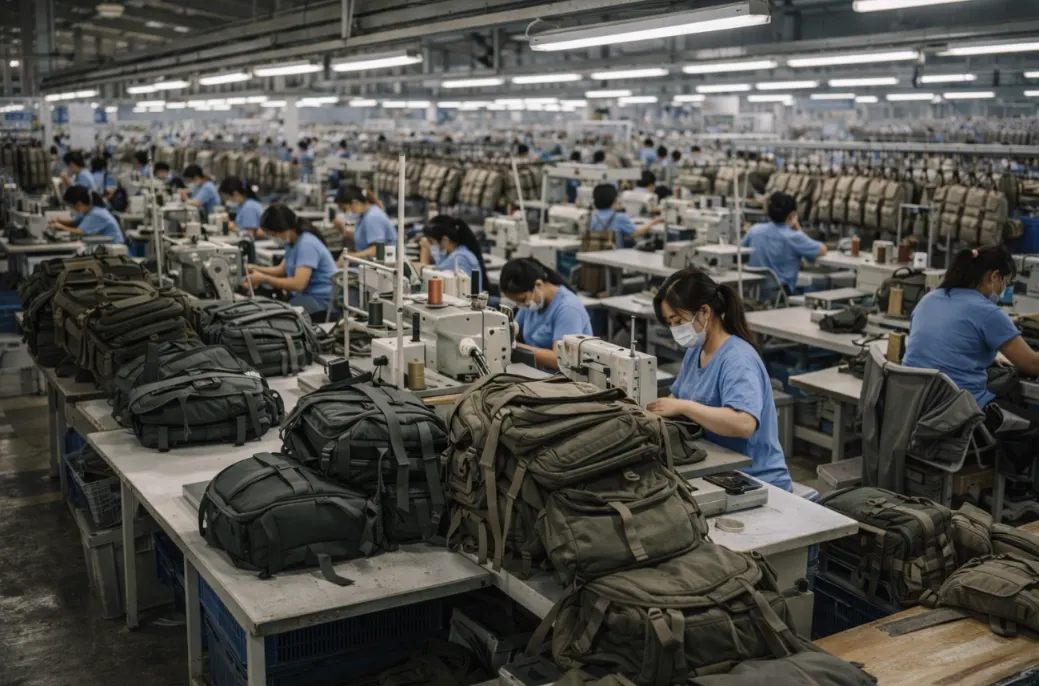
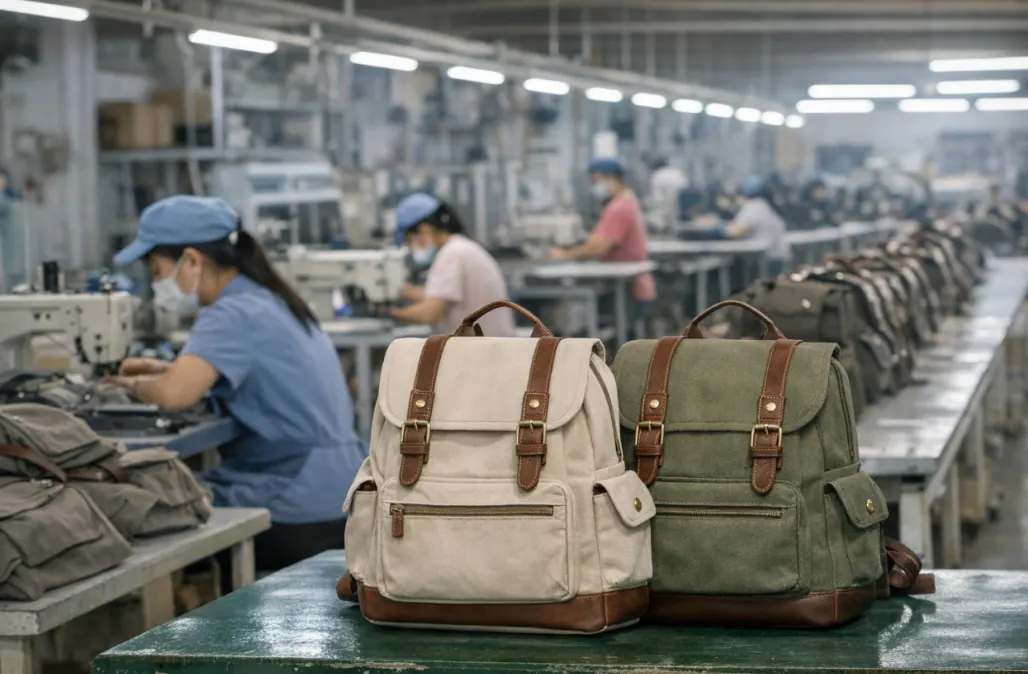
For many brands, working directly with an OEM bag factory in Yiwu is the smart move. Why? Because Yiwu is the center of the world for small goods. As a bag manufacturer, they are right next to the material market. They can get zippers and fabrics in hours, not days. This speeds up the whole process. Other regions might take weeks just to get the raw materials.
Navigating MOQ and Costing
Minimum Order Quantity (MOQ). This is the thing new brands hate the most.
Why does it exist? It’s not because the factory is mean. It’s because of the fabric. Fabric mills won’t dye just 10 yards of cloth for you. They need to run a whole roll.
If you are okay with using stock fabric colors—the colors the factory already has—you can deal. You can often ask for a lower MOQ. Maybe 300 to 500 pieces.
But, if you need a specific custom Pantone color for your private label cosmetic bags, it gets harder. You usually need to order 1,000 pieces or more.
When you do your math, don’t just look at the bag price. Look at the “landed cost.” This includes the factory price, shipping fees, taxes, and the box it comes in. It is smart to start by requesting a detailed factory quotation. Do this early. You need to know if your retail price is real or just a dream.
The Sampling Process
Do not jump straight to the big order. It sounds simple, but people still do it. They want to save two weeks. Don’t do it. Always get a pre-production sample.
The sample is your safety net. You will likely pay a fee for it. This pays for the pattern maker’s time. It is normal.
When the sample box arrives, open it and be rough. Test the zipper 50 times. Pull on the seams hard. See if the thread breaks. A professional OEM bag factory expects you to do this. They want to fix issues now, not later. If the sample has a crooked logo, tell them. If the sample isn’t perfect, the bulk order definitely won’t be.
Production and Quality Control
You say yes to the sample. You pay the deposit. Now, the clock starts. Production usually takes 25 to 40 days.
This is the quiet time. But you shouldn’t be quiet. Ask for updates. Send a message. Ask for photos.
Professional buyers ask to see the material when it arrives at the factory. They want to see the fabric before it is cut. Before you pay the final balance, you want to know the goods are right. A little bit of worry here is healthy. It ensures that what shows up at your warehouse is the same as the sample you approved months ago.
Conclusion
Growing a business selling private label cosmetic bags is a great way to build a brand. But it takes work. You have to watch the details. By mastering the steps—from the tech pack to the final check—you get rid of the guessing game.
The goal isn’t just to make a bag. It is to build a supply chain you can trust. When you have a strong relationship with your custom makeup bag manufacturer, you turn a paper design into a real asset that makes money.
Partner Recommendation: Chic
Maybe you are sick of looking at long supplier lists. You just want a partner who understands what you need. Chic is the name you should know.
They are in Yiwu. This is the heart of global trading for small goods. Chic works as a dedicated OEM bag factory. They are not just another faceless trading company. They focus on the things that annoy most Western buyers. They handle specific material sourcing. They offer reasonable MOQs. And they communicate clearly.
What makes Chic different is how they solve problems. Maybe your design is too expensive. They won’t just say “no.” They will suggest a different fabric. They might suggest a new way to sew it to lower the price without ruining the look. They handle everything from fashion totes to complex organizers.
For brands that need a maker who acts more like a technical consultant, Chic is a solid resource to have in your list.
FAQ
Q1: How much does it cost to start a project with an OEM bag factory?
A: It depends on how hard your design is. A simple canvas pouch might cost less than $2. A hard travel case could be $6 or more. You should probably budget around $1,500 to $3,000 for your first run. This includes the sampling fees and shipping costs.
Q2: Can I just put my logo on an existing bag design?
A: Yes, you can. This is often faster than making a new shape from scratch. Most manufacturers have a catalog of styles they already make. You can just pick one and add your logo. It is a great way to test the market quickly.
Q3: How long does shipping take from China to the US or Europe?
A: If you put it on a boat (sea freight), plan for 30 to 45 days. It is the cheapest way. Air freight is much faster. It usually takes 5 to 10 days. But be careful, it is expensive. It often costs as much as the product itself.
Q4: Do I need a professional designer to make a Tech Pack?
A: Not really. It helps, but you can do it yourself. If you can give clear photos, rough sketches, and the right measurements, a good factory can help you. You don’t need to be an artist. You just need to be clear about what you want.
Q5: What are the best materials for eco-friendly cosmetic bags?
A: Recycled PET (rPET) is the top choice right now. It turns old plastic bottles into fabric. Organic cotton and Tyvek are also good choices if your brand story is about being green.

 consult
 WHATSAPP
 leave message
 top
top