



How to Plan a Wholesale Bag Assortment for Seasonal Retail
When you plan a wholesale bag assortment, the goal is not to collect every attractive style. Build a small range in which each bag has a customer job, a controlled number of color and style variants, and enough selling time to earn a reorder. Plan from the selling window backward: choose roles, set opening units, check pack constraints, and only then expand the palette.
For example, a Chic buyer might test an everyday carryall, a hands-free option, and a seasonal accent. Review rules protect cash when demand is slower than expected.
Which Bag Roles Belong in a Wholesale Assortment?
Start with shopping purpose. A bag that carries daily items has a different job from one that organizes cosmetics or adds seasonal color. The role determines the feature to inspect, the price position to test, and the risk you accept.
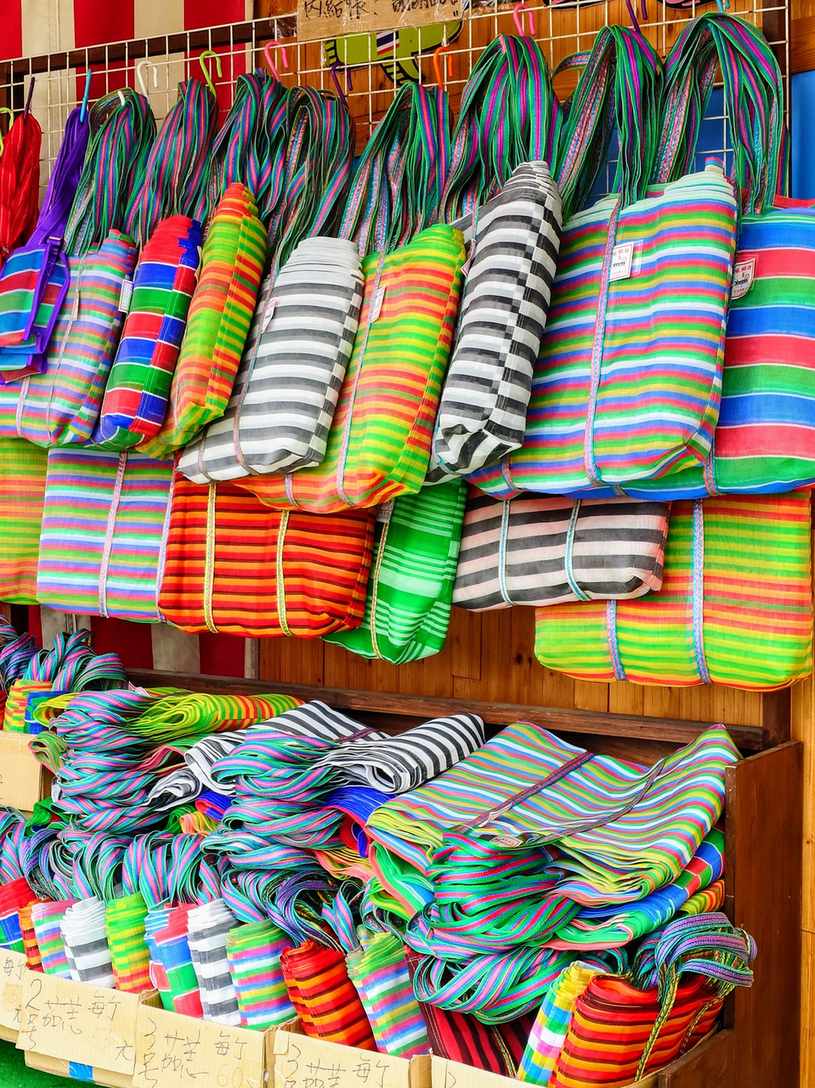
Use tote bags when the customer mission is easy to understand at a glance. A striped mesh tote can play an accent or travel role when its visibility, weight, and packability support the display story. Keep the role statement independent of the supplier: “This style is for a shopper who needs…” If you cannot complete that sentence with a specific use, the SKU may not deserve opening stock.
How Many Bag Colors and Styles Should You Stock?
Variant breadth multiplies faster than it appears. Four styles in three colors create 12 SKUs before you add sizes, logo versions, or packaging variations. Each SKU needs photography, listings, pick locations, inventory records, and a demand signal. A large palette can therefore reduce depth on the colors customers actually want.
Use three tests before adding a variant:
Does the shade serve a different customer, season, or merchandising story?
Can the channel present and describe it clearly?
Can the planned quantity reach a useful selling signal without exceeding the inventory budget?
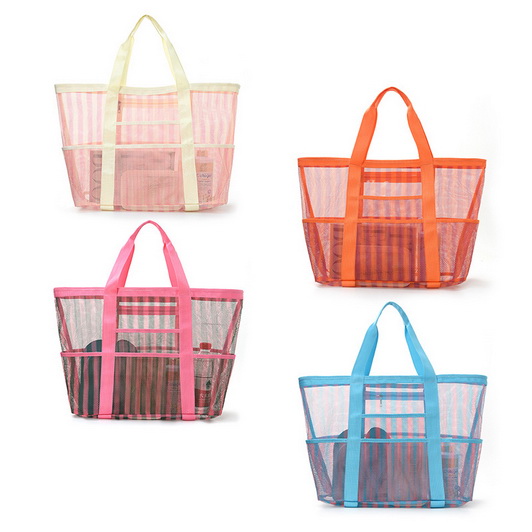
The Chic product image below shows one mesh tote in multiple handle colors. Separate color interest from stock commitment: display a wider color story while opening fewer units in uncertain shades.
How Do You Set Opening Wholesale Quantities?
Use a role allocation before assigning units to individual colors. In an illustrative 600-unit launch, a buyer might set 300 units for everyday core bags, 180 for a specific function, and 120 for seasonal accents. Those percentages are planning inputs, not a Chic minimum or market benchmark. Replace them with channel traffic, sales, budget, and season length.
Reconcile the plan with supplier constraints. A 50-unit color split may be unworkable if the order requires a larger pack or minimum. If it strains cash, reduce variants before inflating total units. Chic’s article on low-MOQ style testing is a related planning reference for testing new styles with less breadth.
Allocate Units by Expected Demand
Use historical sales, comparable categories, search data, or store feedback to adjust the role weights. Separate unit share from spending share: a statement bag may receive fewer units but consume more budget per piece. Review both before approving the buy.
Check Pack Sizes and Minimums
Write the requested quantity by style, color, material, and pack-out. If a constraint forces extra units, compare the cost of fewer variants with the cost of holding slow stock. A supplier minimum is an input to the model, not a reason to abandon the selling-window test.
What Should Separate Your Retail Price Tiers?
A good-better-best ladder works only when shoppers can see why the price changes. The core tier might offer stronger everyday function; the statement tier might add a special texture, construction detail, logo treatment, or presentation. Avoid assigning a premium label to a bag whose visible experience is unchanged.
Separate product landed cost from selling expenses. Include trim, packaging, freight, duty, inspection, payment fees, fulfillment, returns, and markdown allowance when checking contribution. Confirm logo, label, and pack-out details through customization options early enough for the launch calendar. A price tier should be supported by an inspectable feature and an economic model.
When Should You Reorder Seasonal Bags?
A reorder point tells you when stock is risky; it does not tell you how many units to buy. Define:
Reorder point (R) = average weekly sales (d) × total lead time in weeks (L) + safety stock (S)
Suppose a SKU sells 8 units per week, needs 3 weeks to arrive and become sellable, and carries 8 units of safety stock. The illustrative reorder point is 8 × 3 + 8 = 32 units. Compare 32 with your inventory position: on-hand units plus confirmed inbound units minus committed units.
The selling window adds a second gate. If five weeks remain and the three-week lead time leaves only two selling weeks after arrival, cap the order against expected sales in those two weeks. A trigger can justify review while the remaining season can still reject the order. Recalculate when weekly sales, delivery timing, or markdown plans change.
Calculate the Reorder Point
Use consistent reference points: weekly sales, weeks to sellable stock, and safety units. If demand is irregular, review a range rather than one average.
Apply a Seasonal Cutoff
Ask whether the replenishment will arrive early enough to sell at the planned price. If not, hold cash, reduce variants, or plan a controlled markdown instead of adding inventory that will outlast the story.
FAQ
These questions cover practical edge cases that can change a seasonal bag assortment.
Should Every Bag Style Use the Same Color Palette?
Coordinate the collection, but check whether each shade suits the material, use case, and selling season. A shared palette should improve presentation without forcing every style into every color.
Can One Bag Be Both a Core and Seasonal Product?
Yes. Keep stable neutral variants in the core role and assign seasonal colors a separate demand and markdown rule. One silhouette can therefore serve two inventory purposes.
What If a Supplier Requires More Units Than Planned?
Reduce variants, use standard options, or defer the style until the selling window supports the commitment. Do not automatically exceed the cash budget simply to keep every color.
How Should Online Stores Limit Bag Variants?
Include photography, listing maintenance, pick locations, and return-description capacity in the decision. An online catalog can show many ideas, but the opening buy should follow the number of variants the team can manage accurately.
Should Slow Sellers Be Discounted Immediately?
First check exposure, product information, and placement. If demand remains weak after a defined review period, compare the recovery from a controlled discount with the cost of holding the stock through the season.
Build Your Next Wholesale Bag Collection
Bring your customer profile, sales channel, launch window, preferred bag roles, and planned variant depth to a collection discussion. You can discuss the collection with Chic and use the role, quantity, material, branding, packaging, and destination details to evaluate a seasonal wholesale bag plan.

 consult
 WHATSAPP
 leave message
 top