

Related news
-
Canvas Backpack for Women: What Brands Should Know Before Choosing an ODM Partner
-
Champagne Clutch Styling Guide: What to Wear for Parties and Evening Events

-
Custom Nylon Makeup Bags Wholesale: MOQ, Pricing, and Ordering Guide for Beauty Brands

-
Why Nylon Makeup Bags Are Popular in the Beauty Industry (And How to Customize Yours)

Keychain Wallet vs Card Holder: Which Fits a Minimal Carry Life?
Minimal Carry Essentials: Key Elements of Everyday Efficiency
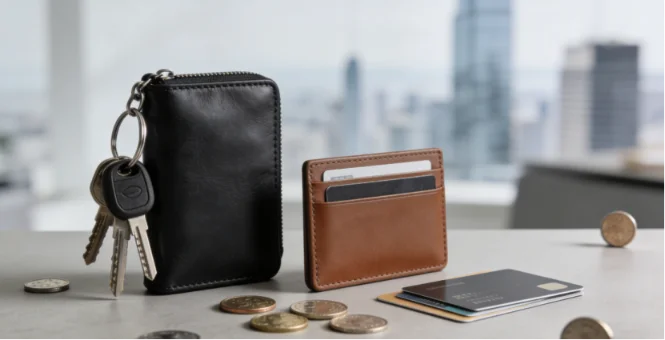
Embracing a minimal carry approach means getting rid of extra stuff and keeping only what really matters. Whether you go to work, ride a busy subway, or travel abroad, picking between a keychain wallet and a card holder depends on what you care about most: space, quick access, and looks. Both help cut down on clutter. Yet they follow different ideas and come with their own pros and cons.
Defining Minimal Carry Philosophy
At its heart, the minimal carry way of life focuses on useful things without too much extra. It pushes you to keep just the must-have items—nothing more and nothing less. The goal is not simply to carry fewer things. Instead, it is to carry them in a smarter way. Being easy to carry matters a lot. So every item in your pocket needs a good reason to be there. This idea appeals to folks who like neat setup, fast reach, and a smooth look. You often see these traits in designers, city workers, and people who travel a bunch.
A basic minimal carry setup usually has only the important stuff. Think ID like a driver’s license, one or two cards you use often, some folded cash or coins just in case, plus keys or digital fobs. If you can walk out the door with only five items and still feel ready for anything, then you already live this way.
Keychain Wallet: Features and Functionality
Do you like keeping all your things together—cards, keys, maybe even cash? Then a keychain wallet might work well as your single solution. It is made for lots of use in a small package. People who hate switching between different items often pick this one.
Integration of Wallet and Key Storage
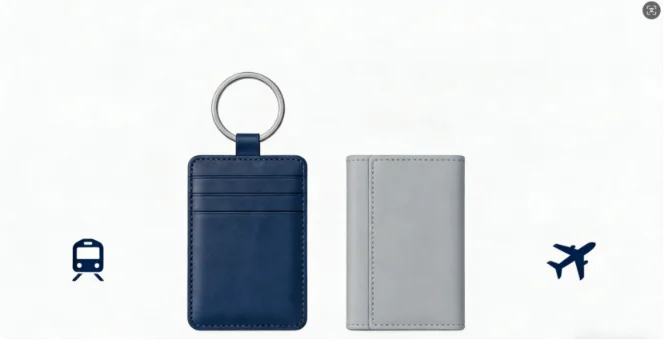
What stands out about a keychain wallet is its mixed design. It usually has a strong key ring or loop built right into the wallet part. This gives you one easy spot for your daily must-haves. The setup feels very useful for city people. They often need key fobs and transit cards every day. You no longer dig around in pockets or bags. Everything stays linked and simple to grab. For anyone who moves around a lot—from office to gym to home—this setup saves time and reduces stress.
Security and Accessibility Considerations
Lots of keychain wallets come with zip closures or snap buttons. These keep your things safe inside. It brings calm feelings. But it can make reaching items a bit slower than open slots. Also think about this: lose your keychain wallet and you lose cash plus your keys. That big downside bothers some people. Plus the small size means only a few card slots show on the outside for quick grabs. If you like flipping through many cards, you need to get used to this style.
Material Choices and Durability
Keychain wallets show up in different materials. You find leather, tough ballistic nylon, or man-made fabrics. Your pick changes how it looks and how long it lasts. Leather gives a nice fancy feel but it might stretch after a while. Nylon feels stronger and rougher yet less dressy. Good stitching and parts like zippers or clips matter a ton for lasting power. A bad zipper breaks the whole thing fast—especially on daily commutes.
Card Holder: Simplicity in Form and Function
For people who think less really is more, the card holder stays a top choice in minimal style. It stays thin, smooth, and focused only on what it needs to do. It gives enough space for key cards with no extra weight or mess.
Slim Profile Design Benefits
The main plus of a card holder comes from its thin shape. It slides right into your front pocket. It does not mess up how your clothes look—a huge win with tight jeans or nice pants. This works great for dressy events or work places where a neat outline counts. It weighs almost nothing. So it fits people who fly often or just hate heavy pockets on trips.
Storage Capacity Limitations
Most card holders hold 4–6 cards without trouble. A few have an elastic band or middle spot for folded bills. But those extras stay small. If you carry membership cards, receipts, or coins all the time, it might not be enough. It is made only for the basics. If you cannot cut down a lot, this one feels too tight.
Material Aesthetics and Professional Appeal
A solid card holder does its job well and looks sharp too. Many use full-grain leather or brushed metal touches. Those details make it stand out. The plain design matches business clothes nicely. It draws in workers who prefer quiet style instead of loud logos.
Comparing Use Cases: Lifestyle Alignment Matters
Deciding between a keychain wallet and a card holder really depends on your normal day. Your commute style, how often you travel, worries about safety, and even your clothes choices all help decide the best match.
Best Fit for Urban Commuters and On-the-Go Users
If you stay busy—running around town or jumping from meeting to meeting—a keychain wallet brings real help. It puts your essentials in one place. You keep your building pass, payment cards, and apartment keys together.
This cuts down on time spent switching items during rushed moments. It helps a lot with tap-and-go transit setups.
But if moving easily matters more than holding lots—like packing into a full subway at rush hour—a card holder might suit you better. Its light feel and small size work well when room gets tight.
Suitability for Travel and Security-Conscious Users
Safety stands out big when you travel. A keychain wallet with safe zip pouches stops things from falling out. You move through airports or strange cities with less worry.
You can clip it to bags or belt loops with lanyards. That lowers risks of drops or theft.
Card holders give quiet safety. Their tiny size lets them hide in jacket insides or backpack pockets. They draw almost no notice in new places.
Matching Formality and Style Preferences
The keychain wallet wins on usefulness. Still its thicker form might not pair well with nice tailored clothes. At work events or fancy spots where smooth lines count more than pure function, it can seem wrong.
By comparison, a card holder looks planned and sharp. Its clean shape fits suit pockets without bumps or sag. That is why many pros who like low-key style pick this one.
Additional Factors Influencing Your Choice
Past basic use, other things affect your pick. Think about ways to customize, brand setups, price plans, and real long-term strength with everyday wear.
Customization Opportunities and Personal Preferences
Certain keychain wallets give flexible designs. You get removable coin parts or NFC tags for digital keys. Some let you add initials or pick from many colors to match your taste.
Card holders usually stick to classic looks. Yet they can include cool bits like pull-tabs or secret flaps. If you care about making it your own—through colors or add-on parts—this might tip the scale.
Price-to-Durability Ratio Analysis
Keychain wallets often cost a bit more because of extras like zippers and metal bits. How long they last ties closely to build quality. Cheap ones break down fast under daily push.
Card holders spread across more prices—from cheap synthetics to costly leather ones that feel like luxury items. Their simple build usually means they hold up longer with fewer weak spots.
Brand Ecosystem Integration
A few brands create whole groups of products. They offer matching items like lanyard zip pouch wallets or cases that work with AirTag. Everything fits together smoothly.
Being able to use digital tools like AirTag holders can change your mind. Especially if you already own gear from one brand and want items that connect well.
This is where platforms like Chic to me stand out. Known for mixing clean looks with real use, Chic to me focuses on accessories that match minimal carry ideas perfectly. Their picked collection has smart pieces like lanyard zip pouch wallets. These do many jobs and still look great. The brand puts function first without losing style—making it a favorite for people who want gear that works well and looks nice.
FAQ
Q1: What’s the biggest difference between a keychain wallet and a card holder?
A: A keychain wallet puts card and key storage together in one piece for ease. A card holder sticks to just cards in a very thin shape.
Q2: Which is better for travel—keychain wallet or card holder?
A: A keychain wallet works better for travel when you want items held tight together. But a card holder hides easier and gets less notice.
Q3: Do card holders hold cash?
A: Most hold a little folded cash in a middle spot or band. They do not work well for coins or thick bills.
Q4: Are there stylish options available for both types?
A: Yes. Both show up in nice materials like leather and metal touches. They fit dressy clothes or simple styles.
Q5: What’s a good option if I want modular functionality?
A: Check out lanyard zip pouch wallets or keychain wallets with parts you can take off. They give bend without losing the minimal feel.

 consult
 WHATSAPP
 leave message
 top
top