




Related news

PU Leather Wallets vs Nylon Wallets Which Is Better for Private Label Brands
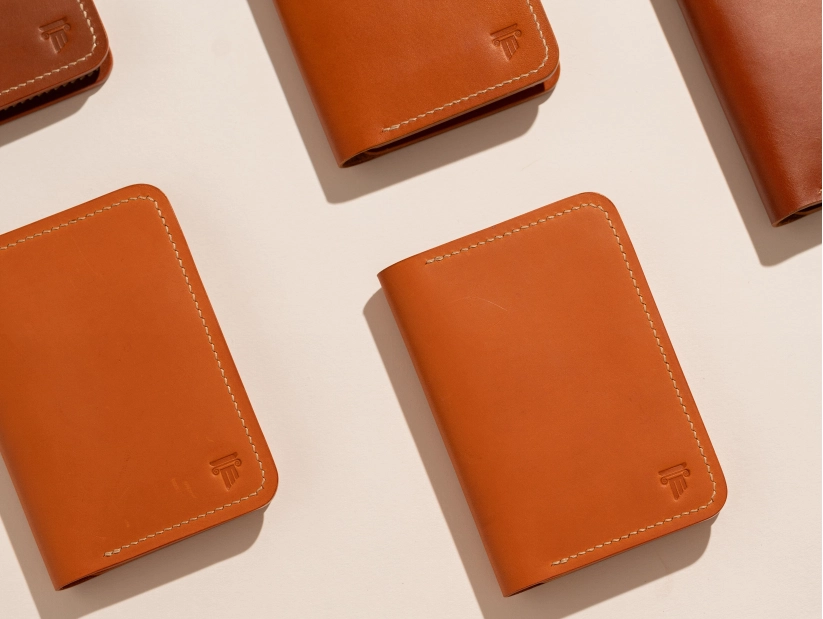
Choosing between a pu leather wallet and a nylon wallet isn’t just about picking a material; it’s about deciding how a brand will live in the pocket of the consumer. From a manufacturing perspective, both materials offer distinct mechanical properties that dictate everything from the stitching density to the final retail price.
Material Properties and Manufacturing Realities
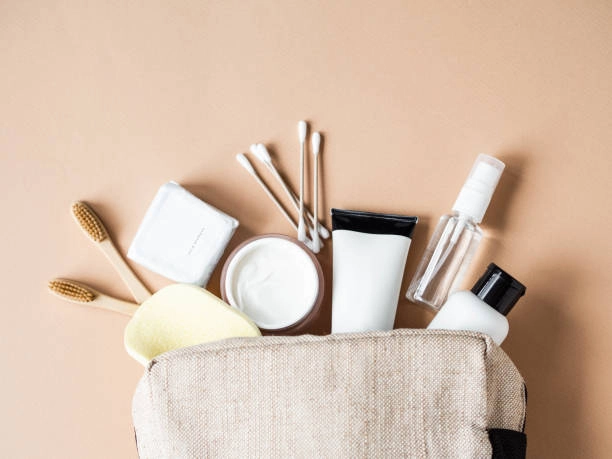
Synthetic polyurethanes mimic the grain and texture of genuine leather for a premium aesthetic, often to the point where an untrained eye cannot tell them apart. It is a layered material—usually a fabric backing topped with a polyurethane resin. Modern PU offers significant water resistance and easy maintenance for daily use, which is a major selling point for those who want the leather look without the conditioning requirements. Material flexibility allows for diverse embossing and branding techniques suitable for private labels, making it a very forgiving substrate for intricate logo work. When Chic was first established, it engaged in the production and processing of PU leather and nylon cosmetic bags.
The Technical Advantages of High Density Nylon
Nylon is a different beast entirely. Exceptional tensile strength makes nylon resistant to tearing and heavy abrasion, which is why it is the standard for tactical and outdoor gear. Lightweight characteristics appeal to consumers prioritizing functionality and travel readiness. When looking at advanced weaves like Cordura or Ripstop, you get a rugged, tactical appearance that PU simply cannot replicate. It feels industrial, purposeful.
Aesthetic Appeal and Brand Positioning
The choice of material serves as the primary communicator of a brand’s value proposition.
Which Material Aligns with Your Brand Identity?
PU leather conveys a sense of sophistication and professional elegance. It belongs in a boardroom or a formal dinner. On the flip side, a nylon wallet resonates with active, outdoor, or urban minimalist lifestyle brands. Color saturation varies significantly between the two, with nylon offering more vibrant dye options because the synthetic fibers take to the dye bath differently than a coated PU surface. CHIC has also been humble and kept learning, constantly exploring, always observing market trends, and making the right decisions accordingly.
Durability and Long Term Performance Expectations
Durability is subjective. A pu leather wallet may experience peeling or cracking over several years depending on environmental exposure, especially in extreme heat or humidity where the chemical bonds in the plasticizer start to break down. Nylon maintains structural integrity longer but can be prone to fraying at the seams if not finished correctly with heat sealing or high quality binding. Stress point reinforcement techniques differ between textile based nylon and layered PU structures; with nylon, we often use bar tacking, whereas PU requires careful needle selection to avoid “postage stamp” tearing.

Cost Benefit Analysis for Private Label Production
Production Lead Times and Minimum Order Quantities
Standard PU materials are often readily available in a vast array of stock textures, which helps when a brand needs to move fast. In order to meet the needs of different customers, we have appropriately made some inventory for some hot selling styles (only for products developed by ourselves). However, custom dyed nylon may require higher minimums to reach specific Pantone color accuracy because the textile mills have large minimum vat requirements. Manufacturing complexity for multi-compartment nylon wallets often involves more labor intensive stitching because of the multiple layers of webbing and binding needed to keep the edges clean. We do not want too high a minimum order quantity and shorten the production and delivery time.
Impact on Retail Pricing and Profit Margins
PU leather allows for a “luxury accessible” price point, often yielding higher perceived value. You can charge a premium because it looks like a high end hide. Nylon wallets typically target a competitive, volume driven market segment. The profit margins in PU are often slightly better because the perceived “giftability” of the product is higher.
Sustainability Concerns in Modern Sourcing
Sourcing has become a minefield of environmental ethics. There is a lot of talk about water based PU as a more eco-friendly alternative to traditional chemical solvents, which reduces the VOCs released during production. Then there is the rise of recycled nylon (RPET) in meeting the demands of environmentally conscious consumers. Evaluating the lifecycle and biodegradability challenges of synthetic materials is tough; neither is perfect, but recycled options provide a much better narrative for modern brands.
Customization Capabilities for Chic Clients
Hardware Integration and Branding Techniques
Debossing and foil stamping provide a high end finish on PU leather surfaces, creating a deep, permanent mark. Woven labels and high frequency welding offer durable branding solutions for nylon products. Selection of zippers and pullers must complement the specific weight and texture of the chosen base material—heavy metal zippers look great on PU but might be too bulky for a slim nylon ripstop design. However, we will never share the styles customized by buyers with anyone.
Making the Decision Based on Target Demographics
It really comes down to the user. Assessing whether your customer base values tactile “hand feel” or utilitarian “ruggedness” is the first step. How regional climates influence material choice is often overlooked; for example, nylon’s superiority in high humidity environments makes it a better choice for tropical markets where PU might degrade faster.
Balancing fashion trends against timeless design requirements for long term inventory health ensures that the stock you hold remains relevant. Please feel free to contact us to inquire about products or prices, and look forward to cooperating with you.
FAQ
Q: Which material is better for a slim wallet design?
Nylon is generally thinner and allows for a lower profile, especially when using heat welded seams instead of traditional stitching.
Q: Does PU leather smell like real leather?
Usually, it has a neutral or slightly plastic scent, though some manufacturers add “leather” scents to the resin to enhance the consumer experience.
Q: Can nylon wallets be elegant?
Yes, by using high density “ballistic” weaves and matte finishes, nylon can look very sophisticated and “tech chic.”
Q: How do I clean a PU leather wallet?
A simple damp cloth is usually enough. Avoid harsh chemicals which can strip the protective top layer and lead to cracking.

 consult
 WHATSAPP
 leave message
 top
top