


Related news


PU vs. Nylon Cosmetic Bags: Which Material Is Better for Your Brand?
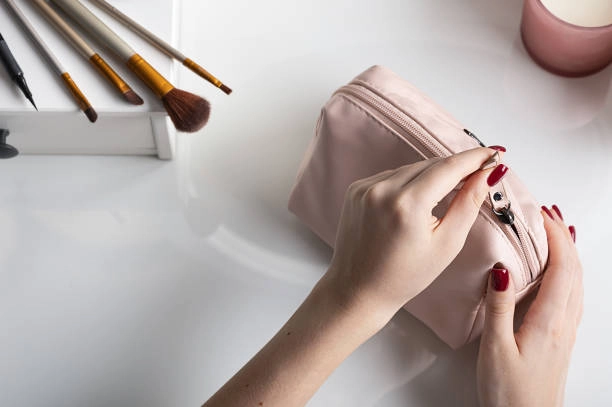
The material of a cosmetic bag changes how it feels in the hand. It also changes the weight. The logo finish and the price customers expect will shift too.
PU creates a smooth fashion look. Nylon weighs less and folds with ease.
What Are PU and Nylon Cosmetic Bags?
These materials are built in different ways. They create different experiences for users.
PU Cosmetic Bags
PU is polyurethane coated synthetic leather. It has a smooth surface and a firm feel. This material can look like leather. It does so without using real leather. Brands choose it to get a nice product while keeping costs under control.
PU cosmetic bags work well for beauty gift sets and private label collections. A simple black PU pouch looks high quality on a retail shelf.
Nylon Cosmetic Bags
Nylon is a woven synthetic textile. It is light and flexible. You can pack it easily. These features matter when customers put a pouch inside luggage or a larger tote.
Nylon cosmetic bags fit travel kits and practical everyday ranges. A multi-pocket pouch sells on its usefulness rather than on luxury.
PU vs. Nylon Cosmetic Bags: Key Performance Differences
Material is only one part of performance. Fabric density, lining, stitching and zipper quality matter as well.
Appearance and Brand Positioning
PU creates a smoother and more elevated look for a coordinated fashion collection. Nylon has a more functional character for travel, outdoor or value focused products.
Durability and Daily Use
PU can hold a firm silhouette and keep a tidy appearance. Its service life depends on coating quality, storage and repeated flexing.
Nylon handles folding and regular movement well. Strong fabric cannot compensate for weak seams or a poor zipper. Construction remains critical.
Water and Stain Resistance
PU is convenient to wipe after a small spill. Nylon can also perform well in a bathroom or travel setting when the lining or finish is suitable.
“Water resistant” should be used carefully. Light moisture resistance is not the same as full waterproofing. The actual result depends on the fabric, coating, zipper and seams.
Weight and Portability
Nylon usually wins when every gram matters. It compresses easily and takes less room in a suitcase. PU adds visual weight and structure, which can be worthwhile when the pouch needs to stand upright.
| Buying factor | PU cosmetic bags | Nylon cosmetic bags |
| Visual impression | Smooth and fashion led | Casual, sporty or practical |
| Structure | Usually more structured | Usually softer and flexible |
| Portability | Moderate | Lightweight and packable |
| Cleaning | Convenient wipe clean surface | Depends on weave and finish |
| Typical positioning | Premium retail and gift sets | Travel and everyday use |
Which Material Is Better for Different Cosmetic Bag Applications?
The use case often gives a clearer answer than the material label. A travel pouch and a department store gift set need different assumptions.
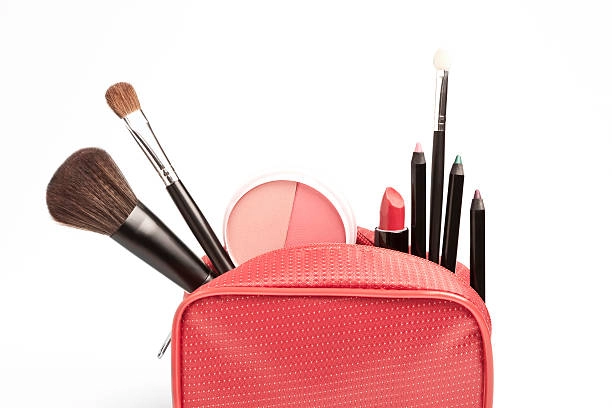
Choose PU When:
-
The collection needs a premium or fashion led appearance.
-
A structured shape is part of the design.
-
The bag will be sold with wallets, handbags or related accessories.
-
A smooth surface supports a clean logo treatment.
-
The customer expects a substantial hand feel.
Choose Nylon When:
-
The product is made for travel, gym use or daily organization.
-
Low weight and foldability are important selling points.
-
The pouch will be packed inside luggage or a larger bag.
-
The program targets practical wholesale or promotional use.
-
Customers will handle the product frequently.
Consider a Combination
A mixed material design can solve both needs. PU can create the outer identity while nylon handles the lining or dividers.
PU vs. Nylon for Branding and Customization
Material selection should happen alongside branding decisions. A logo that looks sharp on one surface may lose clarity on another.
Logo and Decoration Options
Common options include screen printing, heat transfer printing, digital printing, embroidery and woven labels. Embossing may suit some PU surfaces, while a printed or sewn label can work better on nylon.
Logo size and placement matter. Artwork, dimensions and position should be confirmed before sample approval.
Color and Design Flexibility
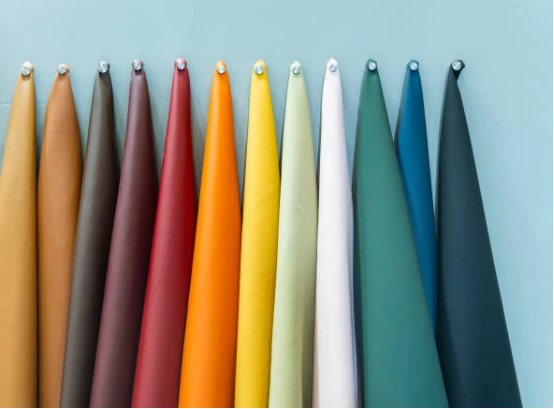
PU works well with solid colors and fashion finishes. Nylon supports bright shades, contrast panels and lightweight prints. Color matching can use a factory color card or Pantone reference.
Packaging and Product Presentation
Hangtags, labels, polybags and packaging boxes reinforce the same brand language. Premium PU may need refined presentation, while nylon may benefit from compact packaging.
Cost, MOQ and Supply Chain Considerations
Material price is only one line in a quotation. Construction, zippers, logo treatment, packaging, sampling and shipping can change the final cost.
Nylon is often a practical fit for lightweight and larger volume programs. PU can support a higher perceived retail value when the finish is right. Neither material is always cheaper.
MOQ can vary by style, color, material, logo method and packaging. Buyers should confirm whether a quoted quantity applies to one color or one complete style. A smaller launch may cost more per unit but reduce inventory risk.
How to Choose the Right Material for Your Brand
Use the product brief instead of a generic material ranking:
-
Is the product premium, fashionable or mainly functional?
-
Will customers use it at home, while traveling or outdoors?
-
Is low weight more important than a firm structure?
-
Does the logo need a smooth print area or a special finish?
-
What retail price, order quantity and packaging format make sense?
The sample should answer what a material chart cannot. Check the hand feel, fit real bottles and test the zipper.
Simple Recommendation
Choose PU for premium appearance, structure and fashion led positioning. Choose nylon for lightweight, flexible and travel focused products. Choose a combination when the outer look matters but internal organization needs a softer material.
Why Work With Chic for Custom Cosmetic Bags?
Chic works with brand owners, wholesalers, distributors and suppliers seeking customized bags and accessories. Its OEM and ODM range includes PU, nylon, canvas, Oxford fabric and other material options.
The brief can cover style, dimensions, color, logo position, labels and packaging. Chic also supports sample development and revisions before bulk production.
The wider range includes custom cosmetic bags, tote bags, crossbody bags, waist bags, wallets, keychains and other bag accessories. Brands can discuss logo and packaging customization as part of one product program.
FAQ: PU vs. Nylon Cosmetic Bags
Q: Is PU better than nylon for cosmetic bags?
PU is often better for premium appearance and structured designs. Nylon is usually better for lightweight and flexible products.
Q: Are nylon cosmetic bags waterproof?
Not automatically. Water resistance depends on the fabric, coating, lining, zipper and seams. Product specific testing is recommended.
Q: Are PU cosmetic bags easy to clean?
PU surfaces are generally convenient to wipe clean. Care instructions should match the actual finish and construction.
Q: Which material is better for private label cosmetic bags?
The right choice depends on brand positioning, use case, target price, decoration method and order quantity.
Conclusion
PU gives a cosmetic bag a polished, structured identity. Nylon keeps the product light, flexible and ready for travel. The decision should follow the customer and the selling environment.
For a tailored recommendation, send Chic the preferred material, size, logo artwork, packaging needs and estimated quantity through its custom bag consultation.

 consult
 WHATSAPP
 leave message
 top
top