





Why Crossbody Bags Are a Profitable Product for Fashion Retailers

The enduring popularity of the crossbody bag isn’t a fluke of fashion; it is a direct response to how people live now. Retailers seeing high sell through rates on these items are tapping into a fundamental shift in consumer behavior that prioritizes utility without sacrificing the “look.”
Why Do Consumers Consistently Choose Crossbody Designs?
Hands free functionality appeals to the modern, multitasking lifestyle of urban commuters and travelers. If someone is navigating a subway turnstile with a coffee in one hand and a smartphone in the other, a shoulder bag that slips or a handheld tote is a liability. The crossbody stays put. There is also a very noticeable shift toward “minimalist carry” which encourages the use of smaller, structured bags over heavy totes. People are tired of digging through cavernous bags for their keys. They want the essentials—phone, wallet, sanitizer—within reach. Furthermore, crossbody bags serve as a gender neutral accessory, expanding the potential customer base significantly. Men’s “sling bags” or “chest bags” are essentially crossbody designs rebranded, proving that the silhouette has successfully crossed the aisle.
Versatility Across Diverse Occasions
The magic of this category lies in its ability to handle a seamless transition from daytime professional settings to evening social events. A sleek leather crossbody bag works for a morning meeting and doesn’t look out of place at a dinner party. This “one and done” utility is a major selling point for budget conscious but style driven shoppers. We are seeing high adaptability to various fashion aesthetics, from streetwear and “athleisure” to high end luxury. Whether it is a nylon bag paired with leggings or a quilted velvet piece for a gala, the core structure remains the same.
Economic Advantages of Stocking Crossbody Bags
From a pure numbers perspective, the crossbody is a low risk, high reward inventory staple. It fills a sweet spot in the retail price architecture that larger luggage or complex apparel simply cannot reach.
High Inventory Turnover and Lower Risk
Lower price points compared to large luggage or oversized handbags encourage impulse purchases. It is much easier for a customer to justify a $50–$150 crossbody bag on a whim than a $400 weekender. For the retailer, standardized sizing reduces the complexities of fit related returns common in apparel. You don’t have to worry about “small” or “extra large” in the bag world. Additionally, compact dimensions allow for higher density in warehouse storage and lower shipping costs per unit. You can fit four crossbody bags in the shelf space of one large hobo bag, which significantly improves the margin per square foot.
Year Round Seasonality and Trend Resilience
Unlike heavy winter coats or summer sandals, crossbody bags are not restricted to specific seasons, ensuring steady sales cycles throughout the fiscal year. They sell in December as gifts and in July as travel essentials. Classic silhouettes remain relevant across multiple fashion cycles, reducing the need for aggressive clearance markdowns. A well made camera bag style crossbody from three years ago still looks modern today, which protects the retailer’s bottom line from the “fast fashion” burnout.
Manufacturing and Customization Opportunities for Retailers
Retailers who move beyond off the shelf designs to custom manufacturing often find they can command higher price premiums. It’s about creating a signature that shoppers can’t find elsewhere.
How Can Custom Manufacturing Enhance Brand Identity?
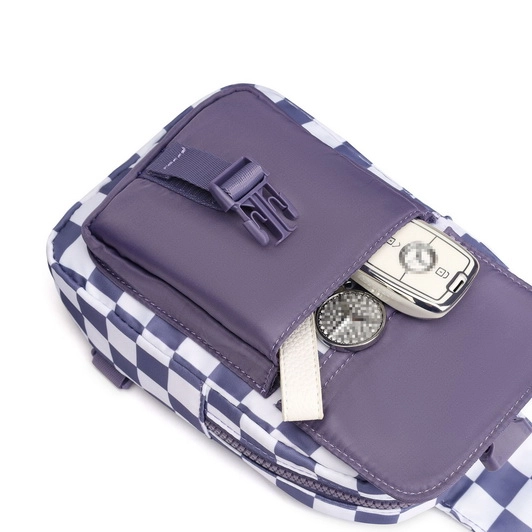
Specialized hardware and unique strap designs allow retailers to differentiate their private labels in a crowded market. Sometimes, the strap is the statement—think of the wide, guitar style straps that became a viral trend. Material innovation, such as vegan leathers or recycled textiles, meets the growing demand for sustainable fashion. This is a huge talking point for Gen Z consumers. Also, modular components like interchangeable straps create upselling opportunities for accessories. If a customer buys the bag, they might spend another $20 on a different strap to change the look, increasing the average order value.
Balancing Production Costs and Quality
Strategic sourcing of durable materials ensures product longevity, fostering brand loyalty. If the strap doesn’t fray and the zipper doesn’t catch, that customer is coming back. Streamlined construction processes for smaller bags allow for competitive wholesale pricing and healthy retail margins. Because the surface area is smaller, you can use higher quality leather or fabric without the total cost of goods skyrocketing as it would for a large tote.
Strategic Merchandising and Consumer Engagement
In a physical or digital store, the crossbody bag is a merchandising powerhouse. It is the ultimate “completer piece” for any outfit.
There is immense cross selling potential with smaller leather goods like cardholders and phone cases. These items are often designed to fit perfectly inside specific crossbody models. Visual merchandising benefits from the bag’s ability to be styled with diverse outfits on mannequins, showing the customer exactly how it fits into their wardrobe. On the digital side, social media “shareability” is driven by the aesthetic appeal of compact, well designed accessories. They photograph well, they fit in “flat lay” shots, and they are the stars of “What’s in my bag” videos on TikTok and Instagram.
Navigating the Competitive Landscape
The market is crowded, yes, but there is always room for a product that solves a specific problem or hits a specific aesthetic note better than the rest.
Addressing the Saturation in the Handbag Market
The key is identifying niche segments such as anti-theft travel bags or luxury tech-integrated pouches. If you can offer a crossbody bag with RFID blocking or a dedicated padded pocket for a specific smartphone model, you’ve moved away from “commodity” and into “specialty.” Utilizing data driven insights to select color palettes that align with upcoming seasonal forecasts is also vital. You don’t want to be stuck with “Millennial Pink” when the market has moved to “Digital Lavender.” Finally, leveraging B2B partnerships with manufacturers like Chic to ensure rapid prototyping and speed to market allows a retailer to react to a trend in weeks rather than months.
FAQ
Q: Why are crossbody bags considered a safer investment than trendy apparel?
A: Because they don’t have “size” issues. A medium crossbody fits everyone, whereas a medium dress only fits a fraction of your customers. This leads to fewer returns and more consistent sales.
Q: Can crossbody bags really be “gender neutral”?
A: Absolutely. By choosing neutral colors like olive, black, or navy and using technical materials like Cordura or matte leather, retailers can market the same basic design to all genders.
Q: How does the “minimalist” trend affect bag sales?
A: It actually helps. While customers might buy fewer “giant” bags, they are more likely to invest in a high quality, durable crossbody bag that they use every single day.
Q: What is the most important feature for a profitable crossbody bag?
A: Durability of the strap attachment points. If the strap breaks, the bag is useless. Using reinforced stitching or high grade metal D-rings is the best way to ensure long term customer satisfaction.

 consult
 WHATSAPP
 leave message
 top
top