




Handbag Sizes: Master Technical Specs for Flawless Sourcing
Accurate handbag sizing is one of those small details that quietly decides if a sourcing project works out or not. When dimensions are off by even a centimeter, production consistency can suffer. Cost control may take a hit too. Packaging efficiency can slow down. The key to smooth OEM/ODM handbag manufacturing lies in learning how to measure a handbag in the right way and sharing those specs clearly with your supplier.
Why Accurate Handbag Measurements Matter for OEM/ODM Projects
Exact measurements make sure every batch matches the approved sample. Without them you risk uneven shapes or parts that do not line up. Right sizing also affects how much material gets used and how prices are figured. A few extra centimeters can change leather yield or fabric layout. Unclear size notes often lead to delays or rejected prototypes when samples do not match what was expected. For brands that run many SKUs across markets, steady sizing keeps brand identity strong and holds customer trust.
Key Dimensions That Define a Handbag’s Size
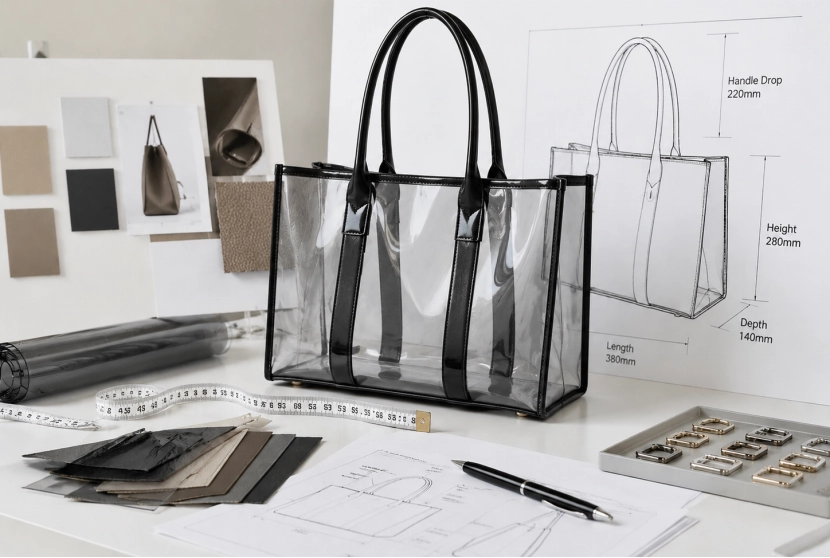
Manufacturers typically define handbag size using four core parameters: length, height, width (or depth), and handle drop.
- Lengthmeasures from side seam to side seam at the widest point.
- Heightruns from base to top edge without including handles or straps.
- Width (depth)represents the bottom panel dimension that dictates capacity. Handle drop is the distance from top of handle to bag opening. It affects comfort and usability.
It is also important to tell internal dimensions apart from external ones. A structured tote may look bigger from the outside but have less usable space inside because of stiff panels or lining thickness. Design structure like pleats or gussets can change how big the bag looks even if the numbers stay the same.
How to Measure a Handbag Correctly for Production
Moving from a design idea to specs ready for production needs clear measurement steps. This way every team uses the same technical language.
Step-by-Step Measurement Guidelines
You will need three tools. These are a flexible measuring tape, a flat surface, and a clean sample bag. Lay the bag flat without stretching it out of shape.
- Length:Measure horizontally from one side seam to the other at the widest point.
- Height:Measure vertically from base to top edge excluding handles.
- Width (Depth):Turn the bag sideways and measure across the bottom panel.
- Handle Drop:Hang handles naturally and measure from top of handle arc to bag opening.
Keep measurements in centimeters for precision. Rounding errors can grow big in large-scale production.
Recording and Communicating Measurements to Manufacturers
Once you have the numbers, put them into standard templates or technical spec sheets. Share these with your manufacturer. Always add tolerance ranges, usually ±0.5 cm. This allows for small changes during cutting and stitching. Visual diagrams help stop mix-ups between buyer and factory teams. They show exactly where each measurement goes.
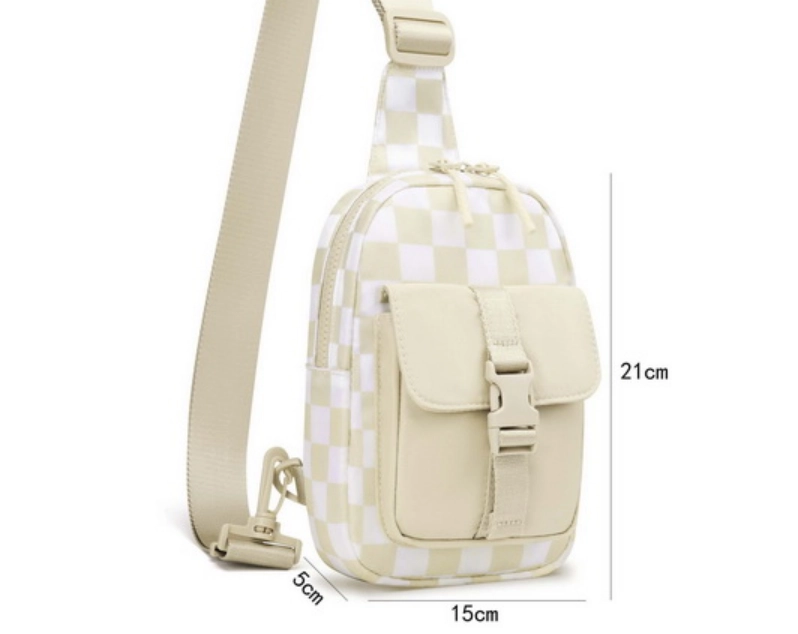
Common Handbag Types and Their Typical Size Ranges
Different handbag styles follow their own size rules shaped by how they are used and what the market wants.
Tote Bags: From Everyday Carry to Oversized Styles
Tote bags stay popular and range roughly 35–45 cm in width with heights between 28–35 cm. Structured leather totes keep their shape well but weigh more. Canvas versions bend easily and work for promotions or travel retail. Mid-sized totes are common in retail fashion lines. Promotional campaigns often pick oversized lightweight models to get more attention.
|
Tote Type |
Width (cm) |
Height (cm) |
Depth (cm) |
|
Small Everyday |
30–35 |
25–28 |
10–12 |
|
Standard Retail |
35–40 |
28–32 |
12–14 |
|
Oversized Promo |
42–48 |
34–38 |
14–16 |
Crossbody Bags: Balancing Functionality and Compact Design
Crossbody bags focus on easy movement with smaller sizes, usually 20–30 cm wide and 15–22 cm high. Strap length changes a lot by region. Asian markets often like shorter adjustable straps. Western buyers may want longer drops for layered looks. Light synthetics or soft leathers keep shape without extra weight, which helps daily carry comfort.
Shoulder Bags, Clutches, and Mini Bags in Modern Collections
Shoulder bags sit between tote and crossbody sizes, around 28–35 cm wide. Clutches average about 20 cm wide but only a few centimeters deep since they hold just the basics. Mini bags that are popular now often measure under 18 cm. They come with straps that do more than one job or inserts that can be swapped, which younger buyers like for easy carrying over big capacity.
Technical Specifications Beyond Dimensions
While measurements set the shape, other details decide how well the bag performs in daily use.
Weight, Volume, and Load Capacity Considerations
Material weight affects the total bag weight. A full-grain leather tote can weigh twice as much as nylon of the same size. You can guess internal volume with simple shape formulas, yet it is best to check with real tests during sampling. Load tests fill the bag with more weight step by step until it starts to change shape. The results help decide where to add extra strength at seams or the base.
Hardware Placement and Proportional Balance
Where hardware sits affects looks and how comfortable the bag feels. Zipper length should match the bag opening width so it opens smoothly without pulling the fabric. Handle drop needs to fit body height for easy carrying. Too short makes arms bend oddly. Too long makes it harder to control when held by hand. Strong points around strap attachments stop tears when the bag carries weight during checks.
Optimizing Handbag Sourcing Efficiency Through Accurate Sizing
Paying attention to exact sizes is not extra work. It actually makes the whole process run better.
Reducing Sampling Revisions with Precise Technical Specs
When specs are correct from the start, you avoid many sample rounds. Skipping each round saves weeks and stops extra costs on materials or labor later. Steady sizing also builds trust when customers see the same sizes across different items in a collection season after season.
Enhancing Buyer Confidence in Bulk Orders
Good size records give factories the confidence to copy approved samples even months later under new orders. Clear technical notes help supplier ties grow stronger over time because both sides use the same points of reference. This helps repeat work in global OEM/ODM sourcing networks.
Accurate handbag sizing may seem like a small point on paper but it keeps large-scale manufacturing running smoothly behind every successful fashion label, from tote bag lines made for retail shelves to crossbody bag designs made for daily use.
Partnering with Chic
Ensuring dimensional accuracy is a crucial part of the product development process, bridging design concepts with actual production. A complete specification sheet includes precise dimensions, materials, hardware types, stitch counts, linings, finishing, colors, and packaging requirements. Chic’s design team helps adjust these sizes before samples are made. We use digital tools like CAD layouts or 3D mockups to show proportions before any material is cut.
For overseas buyers who handle production from far away, clear talks are a must. Chic’s quality checks review the approved spec sheets at several stages, from early samples to final inspection, to keep every shipment the same.
FAQs
Q1: What is the correct way on how to measure a handbag?
Use a measuring tape on a flat surface: measure length side-to-side at the widest point, height from base to top edge excluding handles, depth across the bottom panel, then handle drop separately.
Q2: What are standard tote bag sizes?
Typical totes range between 35 cm × 30 cm × 12 cm up to about 45 cm × 35 cm × 15 cm depending on structure and purpose.
Q3: How do internal dimensions differ from external ones?
Internal space is slightly smaller because material thickness and lining reduce usable volume compared with outer measurements.
Q4: Why include tolerance ranges in handbag specs?
They allow minor variances during cutting or stitching without rejecting otherwise acceptable products. This matters for smooth mass production control.
Q5: What factors affect crossbody bag strap length?
Market preferences such as regional body sizes, wearing style trends, adjustability hardware type, and target gender demographics all influence final strap specifications.

 consult
 WHATSAPP
 leave message
 top
top