
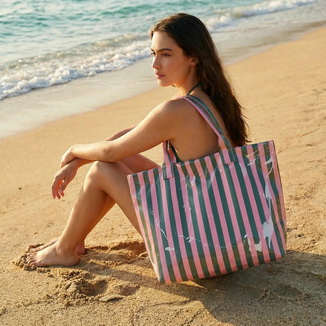


2026 Handbag Trends: Top Styles & Designs for Brands
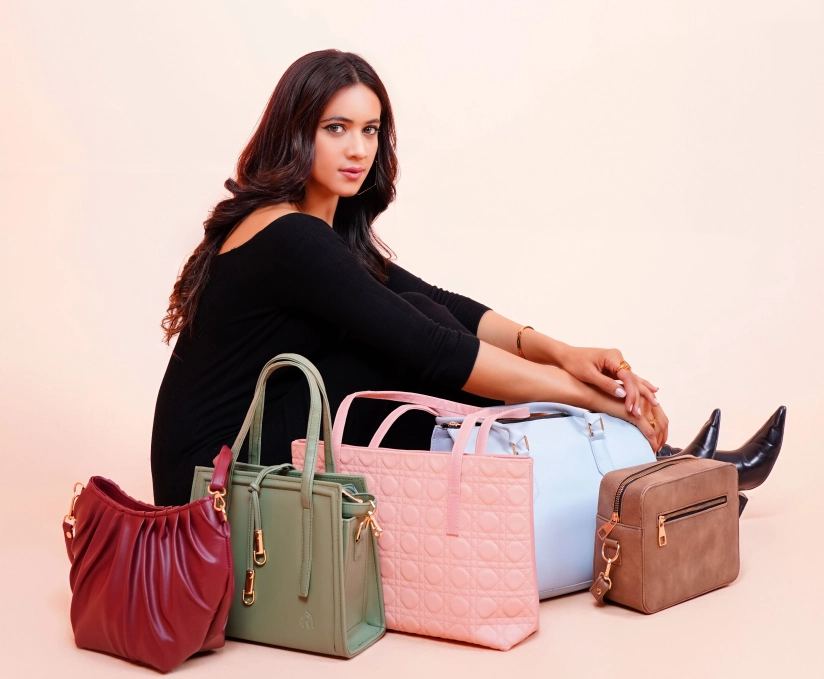
Handbag trends are rarely just about appearance. A popular shape may look strong in campaign photos but perform poorly when the zipper is difficult to reach or the shoulder strap starts twisting under load.
In 2026, useful design is becoming part of the visual language. Buyers still want distinctive colors and recognizable silhouettes, but they also check weight, pocket layout, material feel and whether the bag works outside a studio. For brands planning a new collection, the interesting space lies between fashion and daily use.
What Handbag Styles Will Be Popular in 2026?
Several familiar shapes remain relevant, though their proportions and construction are changing. The strongest opportunities are not necessarily completely new products. Often, they are practical updates to styles customers already understand.
Oversized Tote Bags
Oversized totes fit the way people actually move through a day. A commuter may carry a laptop, charger, water bottle, cosmetics and a folded jacket in the same bag. A shopper wants similar space but may care more about weight and washable materials.
The structure matters. Wide straps distribute weight better than narrow fashion handles. A reinforced base helps the bag keep its shape, while an internal zipper pocket prevents keys from disappearing into the bottom. Full zipper closures also make oversized totes more suitable for public transport and travel.
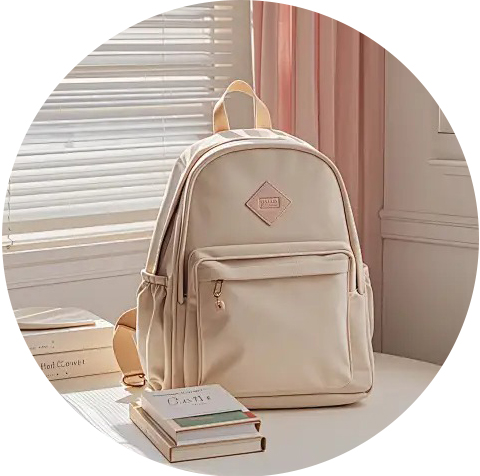
Lifestyle brands can use canvas or nylon for relaxed collections. A structured PU leather version works better for office focused buyers. Both are totes, but they serve very different customers.
Compact Crossbody and Belt Bags
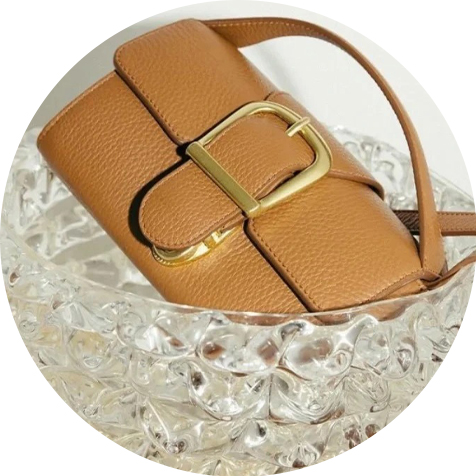
Compact crossbody bags remain useful for travel, commuting and events where customers only need a phone, cards and a few personal items. Belt bags have also moved beyond sportswear. Cleaner shapes and more restrained hardware make them easier to sell as everyday accessories.
Adjustable straps are essential. The same bag may be worn close to the chest while traveling and lower on the hip during normal use. Brands targeting urban buyers should also consider rear security pockets, covered zipper openings and easy clean linings.
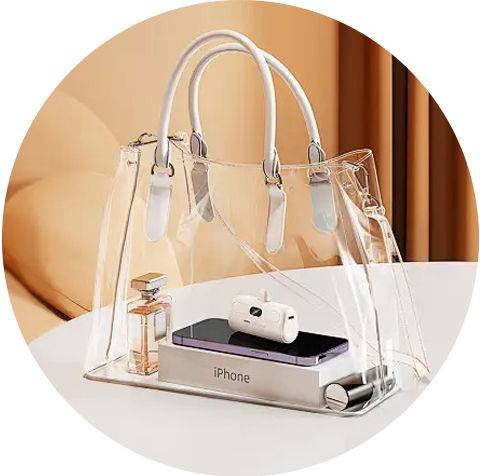
Capacity still needs to be realistic. A small bag photographed with an oversized phone beside it can quickly create returns if the internal opening is narrower than expected.
Statement Clutches and Mini Bags
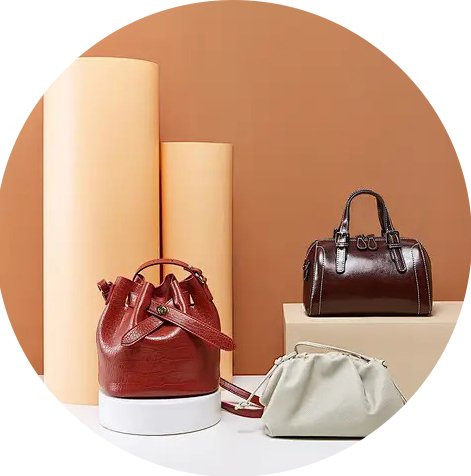
Clutches and mini bags give brands room to experiment. Sculptural handles, metallic hardware, woven panels and saturated colors can turn a simple construction into a campaign product.
These styles work well for limited collections and seasonal launches. They attract attention on social media and can help define a brand’s visual identity. Their commercial role is different from that of a tote or crossbody bag. A mini bag may not become the highest volume item, but it can make the rest of the collection look more distinctive.
Which Colors and Design Details Will Define Handbags in 2026?
Warm neutrals, chocolate brown, burgundy and muted green are practical choices because they feel current without being difficult to style. Soft pastels suit spring collections, while cobalt blue, orange or deep red can be used as smaller accent runs.
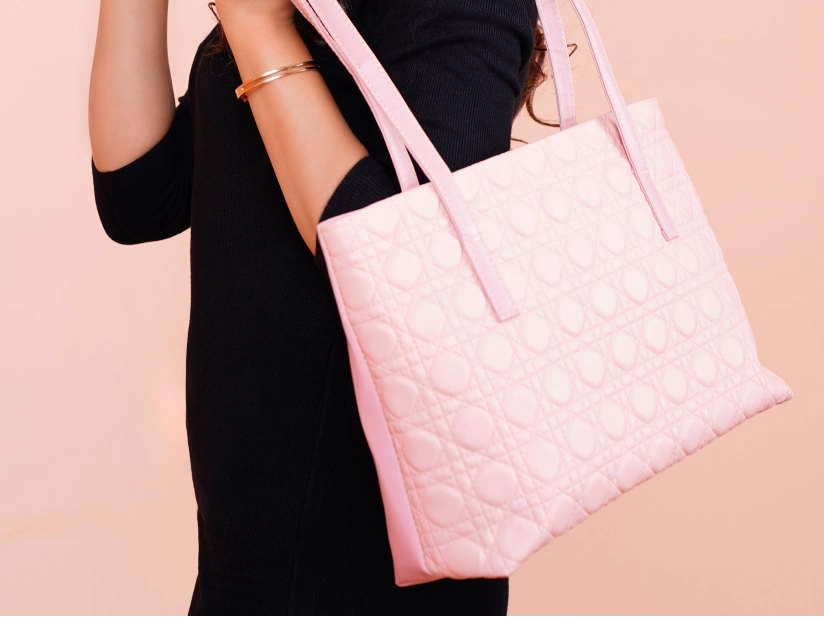
Color is only part of the decision. Texture often has more impact at close range. Quilted panels, woven surfaces, contrast piping and brushed metal hardware can make a familiar shape feel new. Detachable charms and custom keychains are also useful because they create variation without changing the main bag pattern.
There is a production advantage here. A brand can develop one reliable body shape, then create several versions through color, lining, hardware and accessories. That is usually safer than launching six unrelated structures at once.
What Materials Will Handbag Buyers Prefer in 2026?
Material affects cost, weight, structure and customer expectations. A fabric that works for a travel bag may feel wrong on an evening clutch.
|
Material |
Main Advantages |
Best Applications |
|
PU leather |
Wide color range, easy cleaning and controlled cost |
Fashion handbags, crossbody bags and cosmetic bags |
|
Nylon |
Lightweight, abrasion resistant and flexible |
Travel bags, belt bags and sports bags |
|
Canvas |
Durable with a natural, casual appearance |
Totes, shopping bags and lifestyle collections |
|
Oxford fabric |
Firm structure and useful water resistance |
Commuter, travel and utility bags |
|
Recycled fabrics |
Supports responsible sourcing and brand storytelling |
Eco-focused collections and promotional bags |
Environmental claims need evidence. “Recycled” should refer to a known material composition, preferably supported by supplier documentation or certification. Vague green language creates more risk than value.
Physical testing is equally important. Colorfastness, seam strength, zipper life and handle load should be checked before production. A beautiful material is not useful if dark dye transfers onto clothing or the coating cracks around a folded edge.
How Are Functionality and Personalization Changing Handbag Design?
Customers expect bags to handle several situations. A commuter tote may need a padded device sleeve, but it should not look like a laptop case. A travel crossbody needs secure pockets without becoming bulky.
Useful features include detachable straps, key clips, bottle pockets, washable linings and expandable sections. None of them should be added automatically. Too many pockets increase sewing time and can make a small bag confusing to use.
Personalization now goes beyond placing a logo on the front. Brands can specify custom zipper pulls, lining prints, woven labels, embossed patches, hardware finishes and packaging. Even the position of a label changes how the product feels. A large exterior mark is promotional; a small interior mark feels quieter and more premium.
How Can Brands Turn 2026 Trends Into a Sellable Handbag Collection?
A trend becomes commercially useful only after it is connected to a customer, price range and sales channel. Product development tends to go wrong when those decisions remain vague.
Define the Target Customer and Use Case
“Women aged 20 to 40” is not a useful design brief. “Urban commuters carrying a 13 inch laptop” is much better. It immediately affects dimensions, strap width, closure type and material weight.
The same applies to travel, fitness and evening products. A clear use case removes unnecessary features and gives the factory something measurable to build.
Balance Trend Led and Core Products
A stable collection might use two or three proven shapes, supported by one more experimental style. Core products carry neutral colors and familiar functions. Trend led products introduce unusual proportions, brighter colors or statement hardware.
This balance protects inventory. If burgundy performs well, it can be repeated in another shape. If a sculptural mini bag receives attention but few orders, the rest of the collection can still sell.
Test Samples Before Bulk Production
A sample should be used, not just photographed. Put a laptop in it. Fill the cosmetic compartments. Adjust the strap several times. Check whether the zipper scratches the hand and whether the bag tips forward when placed on a table.
Logo size, hardware color and packaging should also be reviewed under normal lighting. Small differences become expensive after mass production starts. A careful OEM or ODM sampling process gives brands room to correct those details while they are still inexpensive.
Conclusion: Which 2026 Handbag Trends Should Your Brand Prioritize?
Oversized totes, soft structures and compact crossbody bags offer the clearest mix of style and daily function. Personalization, practical compartments and material transparency add value without depending on a short lived silhouette.
The right direction still depends on the buyer. A travel brand needs different answers from a fashion led startup. Build around a real use case, then use trends to sharpen the product.
Planning a 2026 handbag collection? Work with an experienced custom handbag manufacturer like Chic to develop the materials, colors, samples, logos and packaging around your target market.
Frequently Asked Questions
Q: What is the biggest handbag trend for 2026?
Versatile bags with recognizable shapes are likely to have the broadest appeal. Oversized totes, soft shoulder bags and compact crossbody designs combine current styling with practical use.
Q: Which handbag colors are suitable for a 2026 collection?
Chocolate brown, burgundy, muted green and warm neutrals are strong commercial options. Brighter colors can be introduced through smaller production runs or detachable accessories.
Q: What material is best for custom handbags?
It depends on the product. PU leather suits fashion bags, nylon works well for lightweight travel styles, and canvas is a natural choice for casual totes. Testing should happen before bulk production.
Q: Should a new brand use OEM or ODM manufacturing?
OEM is suitable when the brand already has detailed designs. ODM is useful when the brand wants to adapt existing factory developed styles. MOQ, customization level and development time should guide the decision.

 consult
 WHATSAPP
 leave message
 top
top