



Eco-Friendly Bags Wholesale Guide 2027: Materials & Trends
Introduction – Why Eco-Friendly Bags Matter in 2027
Suppose you’re buying bags for a refill shop. Customers will walk home with bottles, perhaps come back next week with the empties, and expect the bag to cope with both trips. The fabric’s recycled content matters, of course. But we’d also want to know how many bottles you’re putting in it. That’s where a discussion about eco-friendly bags wholesale becomes a discussion about the product you’re actually ordering for 2027.
What Are the Best Eco-Friendly Materials for Wholesale Bags?
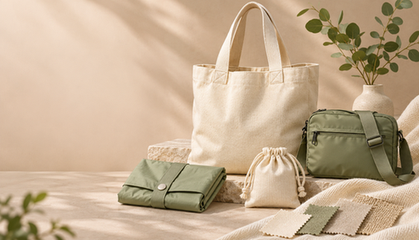
You’d probably shortlist cotton canvas for that refill shop. For a pouch someone folds into a suitcase, rPET or recycled nylon would be worth a look. Non-woven PP costs less in many promotional specifications, although it remains plastic. A biodegradable option needs more homework about disposal. There isn’t much sense paying for industrial compostability if the people receiving your bags have no access to industrial composting.
Why Should Wholesale Buyers Choose Sustainable Bags?
Meet Changing Consumer Expectations
“How much of it is recycled?” is a fair question. Being able to answer it is a good reason to sort out the material paperwork early.
Strengthen Brand Positioning
Would your customers expect a glossy carrier from a refill shop? Probably not. The bag has to feel at home among the things you’re selling.
Support Retail and Promotional Programs
Try taking the gift out of its pouch. What’s left? With a little more space, you might have a useful travel bag rather than an empty wrapper.
Build Long-Term Product Value
The return trip counts. A bag that replaces other carriers repeatedly has done more useful work than one forgotten behind the kitchen door.
Popular Eco-Friendly Bag Materials and Their Applications
RPET (Recycled Polyester)
Used PET bottles are one possible feedstock for rPET. After processing, you’re dealing with polyester yarn and fabric, with plenty of choices about weave and weight. A folding shopper and a cosmetic organizer needn’t use the same one. Be precise about the percentage, too. If the shell is 80% recycled polyester, that doesn’t make a lined, zippered bag 80% recycled. You need records covering the material actually ordered.
Organic Cotton and Canvas
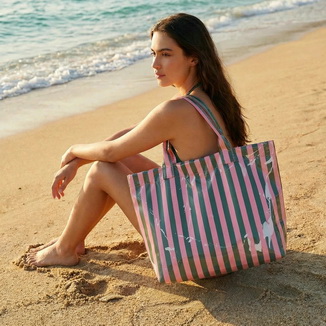
An organic cotton tote can also be canvas. One tells you about growing the cotton; the other describes the cloth’s construction. We’d still need an organic certificate for the proposed fabric. When comparing canvas tote bags, don’t be too quick to choose the heaviest. At 300 GSM, you’re shipping half as much cloth mass again as at 200 GSM, for equal areas. Then there’s washing: will the bag shrink, the color run or the print suffer?
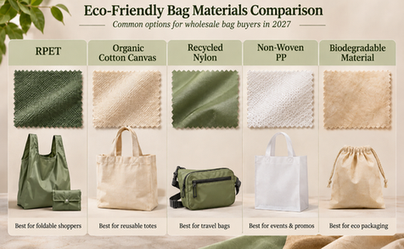
Recycled Nylon
Try sitting down with a waist bag on. A stiff corner is suddenly much more noticeable. That’s a reason to consider recycled nylon for this and other travel styles, although we’d want the weave and coating specified before judging abrasion resistance. You still need firm strap attachments, but making the entire shell stiff to achieve that would rather defeat the point.
Non-Woven Materials
There may be very little to spend per bag when you’re supplying a whole exhibition. Non-woven PP is worth pricing in that situation; allow for the logo printing and enough strength to carry the contents home. PP means polypropylene, so you’re still buying plastic. Recycling is another matter: the destination’s collection system has to accept the finished product.
Biodegradable and Alternative Materials
“It breaks down” leaves an awful lot unanswered. In a home compost heap? An industrial composting plant? Those aren’t interchangeable, and neither tells you what happens to a bag in landfill. We’d ask which standard the claim meets, then find out whether customers can access the required treatment. You’re also entitled to ask whether the bag will survive storage and use before it reaches that stage.
How to Choose the Right Eco-Friendly Material for Different Bag Types
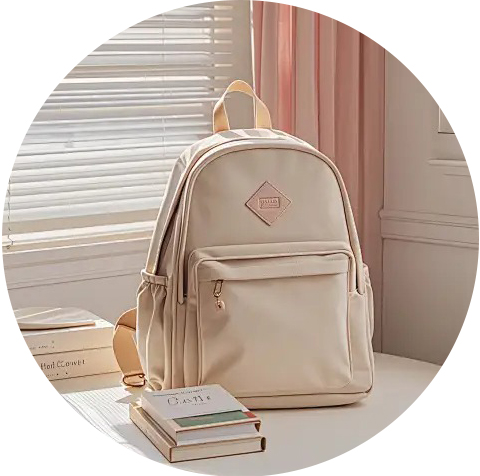
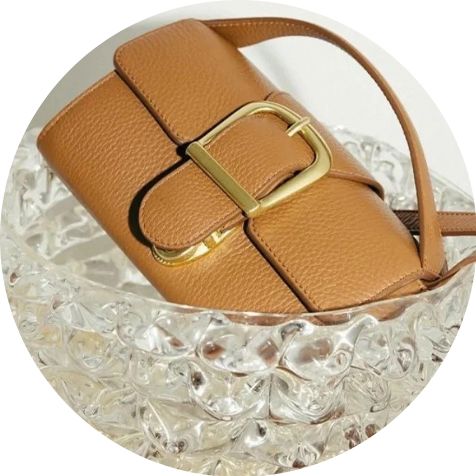
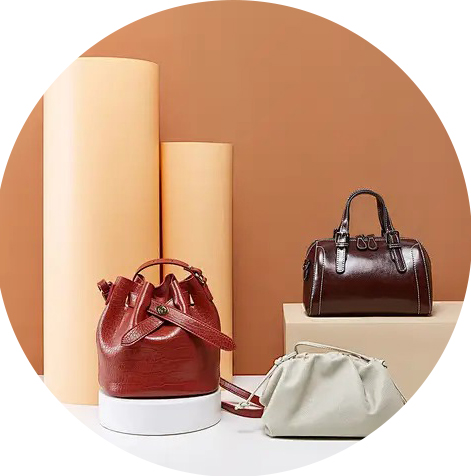
For cosmetics, think about a leaking cap before choosing the lining. With a tote, it’s the weight hanging from the handles that deserves attention. A crossbody or waist bag needs a buckle that won’t slip along the strap. Wallets and clutches may need backing so they keep their shape. Even a small fabric keychain needs secure hardware. Recycled textiles can be considered across these designs, but one specification won’t serve them all.
Top Eco-Friendly Bag Trends Wholesale Buyers Should Watch in 2027
Recycled Materials and Traceability
For the 2027 order, leave time to read the paperwork. Receiving a certificate after printing the labels is inconvenient if it doesn’t cover the cloth you bought.
Reusable and Durable Bag Designs
Leave some of the budget for a better closure. An expensive recycled shell isn’t much use once the zipper stops closing.
Minimalist and Multifunctional Designs
Perhaps the gift insert could lift out. Once it’s gone, there’s room for toiletries of different sizes, without bottle loops getting in the way.
Sustainable Customization
How much branding does this bag really need? A small wordmark may do the job. Resolve printing, labels and packaging while you still have swatches to compare.
How to Evaluate Eco-Friendly Bags Before Placing Wholesale Orders
You liked the sample. Now read the quote: is that lining included, and is the cloth the same weight? It’s surprisingly easy to compare two different specifications.
Before approving it, arrange seam, tear and abrasion checks. Try the logo on the actual cloth and test colorfastness. Don’t overlook the zipper or loose hardware. Write down acceptable variation in dimensions and color for bulk QC.
Keep that approval with the composition, recycled-content evidence and relevant certification scope. Confirm MOQ, cost and lead time against the same specification. A fabric substitution needs approval before it reaches the cutting table.
Why Work with Chic for Custom Eco-Friendly Bags?
For an OEM or ODM project with Chic in Yiwu, China, bring the intended use along with your drawing. Add a color reference and any artwork for labels or packaging. Canvas, nylon and Oxford fabric are possible starting points; tell us if you need a recycled or organic specification so availability and documents can be confirmed. Use sampling support to resolve the construction before bulk production.
Conclusion
Keep the refill-shop question in mind: will it carry the bottles home and back again? Send Chic your bag brief with quantities, dimensions and target price to begin discussing a sample.
FAQs About Eco-Friendly Bags Wholesale
What is the best material for eco-friendly wholesale bags?
Depends what you’re carrying. Cotton canvas might be your first choice for a shopper, while rPET or recycled nylon would be worth trying for something that packs smaller.
Are RPET bags durable enough for everyday use?
There’s no reason to rule them out. Ask which yarn, weave and weight you’re buying, then assess the sewing. “RPET” alone doesn’t answer the durability question.
What certifications should buyers look for when sourcing sustainable bags?
For recycled materials, ask about GRS. Whose certificate is it, is it current, and does its scope cover the facility and material supplying this order? Organic claims need separate evidence.

 consult
 WHATSAPP
 leave message
 top