


Related news
Custom Bag MOQ Explained: What Brands Need to Know Before Ordering
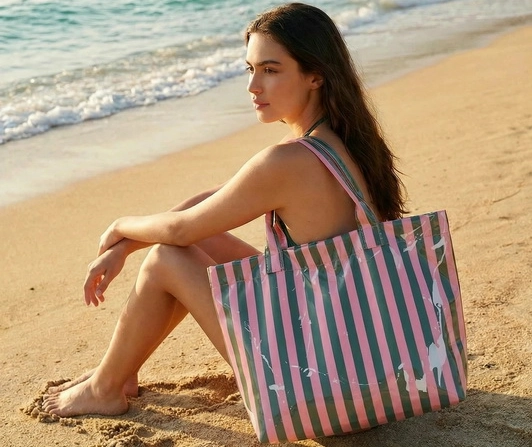
MOQ means minimum order quantity. In custom bag manufacturing, it is the smallest number of units a factory will produce for one defined specification. The specification includes shape, fabric, color, logo method and packaging.
The number is not universal. A nylon cosmetic pouch follows a different MOQ from a structured crossbody bag. Treating MOQ as fixed can lead to excess stock or misleading comparisons.
What Does MOQ Mean in Custom Bag Manufacturing?
MOQ applies to a production version, not just a product name. A manufacturer may set one quantity per style, another per color and another for custom packaging. Logo printing can have its own setup threshold.
Ask whether MOQ is calculated per style, color, material or shipment. A mixed-color order may work with one base fabric. It may not work when each color requires a separate purchase.
Factories set MOQs for practical reasons. Cutting and sewing lines need setup time. Printing may need screens or plates. Hardware and packaging suppliers often sell in production packs.
The useful question is not “What is your MOQ?” It is “What MOQ applies to this exact product brief?” A clear custom bag customization process gives the factory enough detail to answer.
What Factors Determine the MOQ for a Custom Bag?
Product complexity is usually the strongest driver. Material availability and branding follow close behind.
Product Construction and Category
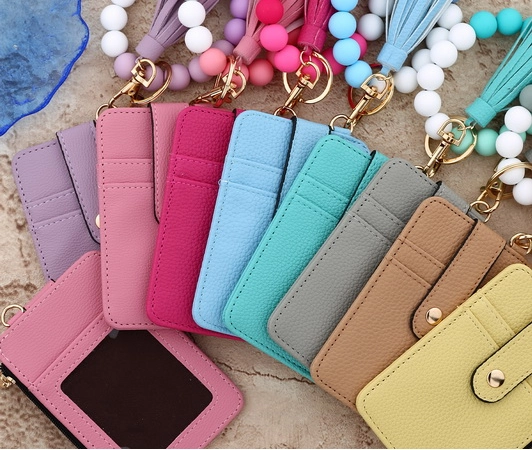
A flat pouch uses fewer panels and operations than a wallet with card slots or a crossbody bag with lining, reinforcement, adjustable webbing and several hardware points.
Category also matters. Chic covers cosmetic bags, totes, crossbody bags, belt bags, wallets and related accessories. A keychain or PVC charm may use a different mold and packing method from a fabric bag. Discuss MOQ by product family rather than across an entire catalog.
Materials and Colorways
PU leather, nylon, canvas and PVC have different sourcing conditions. Standard colors may be readily available. A special color may require a dye lot or a separate supplier order.
Six small color runs can create more purchasing work than one larger run. For a new launch, one main color is often easier to control. Expand the range after sales data arrives.
Branding, Hardware and Packaging
A logo can be printed, embroidered, transferred or applied as a woven label. Custom zipper pulls and metal logos may require tooling. Retail boxes and inserts add another quantity threshold.
Send dimensions, material references, logo artwork, packaging requirements and target quantity. A product photo alone rarely produces a reliable number.
How Should Brands Choose a First-Order Quantity?
The right first order covers realistic launch demand. It leaves room for samples, quality checks and a small reserve. A lower unit price is not enough reason to buy deeply.
A simple planning model is:
Expected launch demand + sample and QA reserve + safety stock – sellable inventory already available
New brands should control the SKU count. Three colors at 300 units each create three inventory positions. One color at 900 units may be easier to market and reorder. The better choice depends on the channel and customer promise.
Wholesalers and distributors can use confirmed customer demand. Established brands can use historical sell-through and replenishment lead time.
Ask for quantity tiers at 300, 600 and 1,000 units, or similar levels. The comparison shows how setup cost affects the order.
Does a Lower MOQ Always Mean a Better Deal?
A lower MOQ reduces inventory exposure. It does not automatically reduce total cost.
Small runs can carry more setup cost per unit. Material waste may be higher. Freight and packaging may be less efficient. A fast-selling item may also need an earlier reorder with a tight delivery window.
Stock fabric, standard hardware and existing packaging can make a small run practical. Custom colors, molded components and retail boxes usually need more volume.
Compare landed cost rather than unit price. Include sampling, setup, inspection, freight, duties, storage and markdowns. A higher unit price can be better if it prevents excess stock.
What Should Buyers Ask a Custom Bag Manufacturer About MOQ?
An effective RFQ turns a vague quantity question into a production discussion. Use this checklist:
-
Is the MOQ per style, color, material, logo or shipment?
-
Can different colors share a material purchase?
-
What changes if stock fabric or standard hardware is used?
-
Are samples and pre-production approval units charged separately?
-
What price breaks apply at higher quantities?
-
What are the reorder MOQ and lead time?
-
How are buyer-supplied artwork, designs and tooling protected?
-
Can the same program include bags, keychains or PVC accessories?
Include dimensions, fabric preferences, logo files, packaging details, destination market and launch quantity. A beauty brand should mention the container sizes a pouch must hold. A promotional tote should include the event date and expected distribution volume.
How Can Chic Help Brands Manage MOQ and Customization Risk?
MOQ is easier to manage when design and production decisions are discussed together. Chic supports OEM and ODM projects across bags and bag accessories, so the specification can be adjusted before cutting begins.
The flow is direct: review the brief, recommend materials, develop a sample, quote quantity tiers, confirm approval, then plan production and inspection. A cosmetic bag and matching keychain can be discussed in one sourcing program. That suits gift sets and coordinated retail launches.
Chic keeps selected inventory for some self-developed styles. Those products may suit a faster test or shorter delivery window. Buyer-customized styles remain separate from that stock program, which matters when a new collection is still confidential.
Send the target style, estimated quantity and customization details for a specification-based recommendation. OEM/ODM bag supplier support is most useful when the brief exposes the real MOQ drivers.
What Is the Best Next Step Before Placing a Custom Bag Order?
Define the SKU before negotiating quantity. Confirm material, color, logo method, hardware and packaging. Request two or three quantity tiers. Approve a sample before bulk production.
When several products are involved, bags and bag accessories can be planned as one launch.
Frequently Asked Questions
Q: What is a typical MOQ for custom bags?
There is no reliable universal number. Construction, fabric, color and branding determine the MOQ for each specification.
Q: Can I order different colors under one custom bag MOQ?
Sometimes. It depends on shared material purchasing and whether printing or packaging can be handled as one run.
Q: How can I reduce the MOQ for a new bag brand?
Use stock materials, standard hardware, fewer launch colors and simpler packaging.
Q: Is a sample included in the MOQ?
Samples are normally handled separately from bulk MOQ and should be approved before production.
Q: Can one supplier make bags and matching accessories?
Yes. One OEM/ODM program can include bags, keychains and PVC accessories. Chic’s custom bag services support this broader sourcing discussion.
Conclusion
Custom bag MOQ is a specification issue. Construction, materials, colorways, branding and packaging all shape the number. A sensible first order balances launch demand with inventory risk and reorder speed.
For a tailored recommendation, request a custom bag quote from Chic with the style, target quantity and customization details.

 consult
 WHATSAPP
 leave message
 top
top