



Related news

How to Choose a Reliable Wholesale Bag Supplier in China

Choosing a wholesale bag supplier in China is not a race to the lowest unit price. A cheap quote can turn expensive when the material changes or the zipper fails. A missed seasonal launch creates another cost. A reliable supplier gives you control over those risks. The test covers manufacturing ability, sample quality, customization, cost, communication, and delivery.
1. Define Your Sourcing Requirements Before Contacting Suppliers
Write a clear sourcing brief before sending an inquiry. Include the bag type and dimensions. Add material, color, lining, hardware, logo position, packaging, target quantity, destination market, and launch date. A cosmetic bag for a gift set has different construction needs from a daily tote. A crossbody bag may need stronger webbing.
Separate standard products from custom products. An existing style with your logo has different MOQ and sample cost from a new shape. Tooling and lead time change as well. Clear requirements make quotations easier to compare.
2. Verify the Supplier’s Manufacturing Capability
A supplier’s website is a starting point, not proof of capacity. Look for a coherent product range and ask how the company handles production. Can it make the structure you need? Can it repeat the same result across colors? Can it manage a pilot order and a larger repeat order?
Request current factory photos and production videos. Ask for sample images and an explanation of quality control. If an audit is available, review its date and scope. A company that only forwards catalog images may struggle with a new pattern or revised pocket.
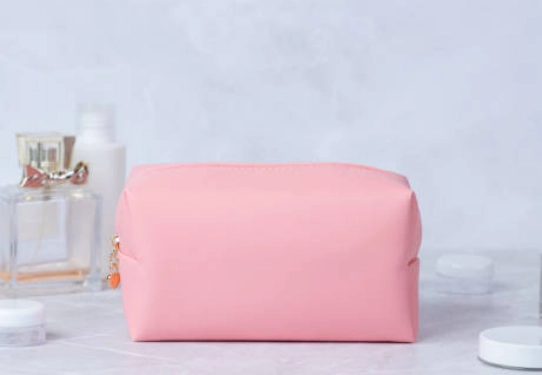
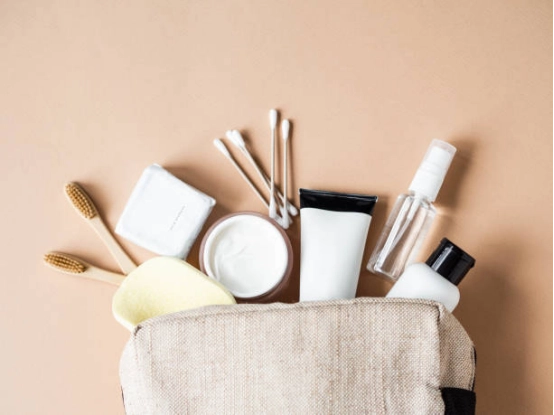
Chic works across PU leather and nylon bags as well as PVC accessories and keychains. Chic’s bag products cover categories such as cosmetic bags, totes, crossbody bags, waist bags, wallets, and clutches. That range is useful for buyers building a coordinated collection. Capacity, equipment, and production allocation should still be confirmed for the specific order.
3. Evaluate Product Quality and Material Consistency
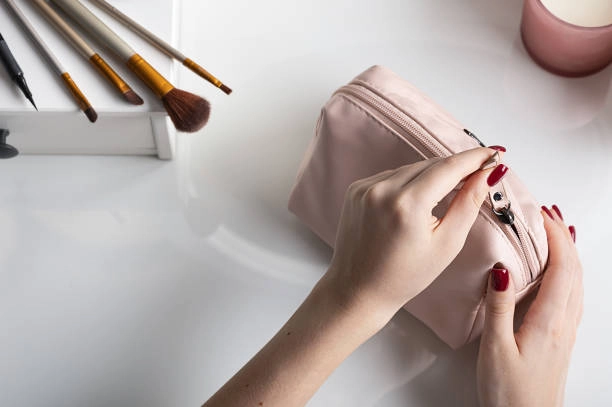
Photos hide a lot. Ask for a physical sample. Inspect material thickness, surface finish, lining, stitching, edge paint, zipper movement, buckle strength, and odor. Put the intended contents inside. Pull the zipper repeatedly. Small weaknesses show up quickly.
Material consistency matters as much as the first sample. Confirm the material specification in writing. State the color reference and acceptable tolerance. Record the approved hardware and lining. Keep an approved pre-production sample as the bulk reference.
Ask how defects are classified and whether pre-shipment inspection is possible. The supplier needs a clear method for correcting issues before cartons leave China.
4. Assess OEM/ODM and Customization Support
Customization is more than adding a logo to a ready-made bag. It can involve a new pattern, a different material, custom hardware, branded labels, and retail packaging. The supplier should explain what can change without affecting strength or cost.
Discuss logo methods such as embossing, printing, embroidery, woven labels, and metal branding. Confirm artwork formats and approval stages. Ask who owns the finished design and whether files are handled confidentially. Packaging deserves the same attention. A gift-ready pouch may need an insert, barcode label, polybag, and carton mark.
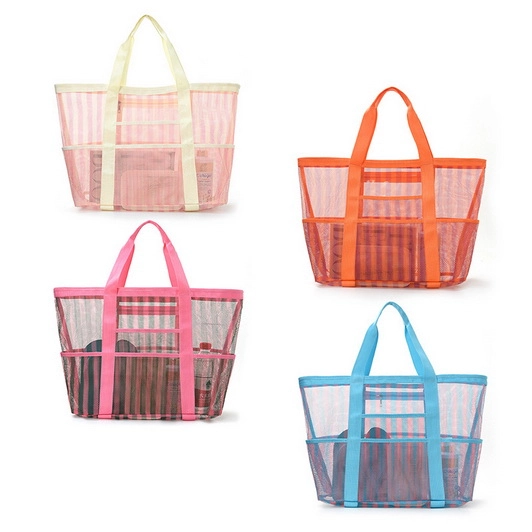
Chic’s customization options cover materials, logos, labels, and packaging. Sample design support and customized sample production are part of the service workflow. The site references a typical 7–10 day sample period. Confirm the current schedule for your design, especially if a new mold or special hardware is involved.
5. Compare MOQ, Pricing, and Total Landed Cost
Compare quotes on the same specification. One supplier may price a basic nylon lining while another includes heavier fabric, better hardware, and individual packaging. The lower number is not automatically the better deal.
Ask for MOQ by style and color. Check size and logo requirements too. Request separate charges for samples, tooling, packaging, inspection, and shipping. Confirm payment terms and Incoterm. Add freight, duties, taxes, and handling to estimate landed cost.
A vague quote creates trouble. So does a price far below the market without a clear reason. Savings should come from an efficient design or sensible quantity, not reduced material or inspection standards.
6. Check Communication, Lead Times, and Order Control
Good communication is visible before the purchase order. The supplier should understand a technical brief, point out missing details, and return a usable quotation. Replies need to be accurate.
Ask for a timeline covering sample approval, production, inspection, and shipping. Establish one project contact. Document every change. “Same color as last order” is risky when several shades circulate.
During production, request meaningful updates. A photo of the first finished unit can reveal a logo position problem while it is still fixable. After-sales support should cover damaged goods, shortages, and corrective action. Chic’s service process covers design, sampling, delivery, and after-sales coordination.
7. Confirm Compliance, Packaging, and Shipping Readiness
Compliance depends on destination and product use. Ask which material or product tests are available. Retailers may require REACH or CPSIA documentation. Some also require restricted-substance and packaging records. The right requirement comes from the market and sales channel.
Confirm care labels and barcode placement. Check carton markings, dimensions, gross weight, and export documents. These affect warehouse receiving and freight cost. Approve them before production.
8. Start With Samples and a Pilot Order
Use sampling to test the working relationship as well as the product. Compare the sample with the specification. Test handles, seams, zipper, hardware, lining, capacity, and logo finish. For a new or heavily customized style, place a controlled pilot order before a full seasonal quantity.
Track defect rate, delivery performance, packaging quality, and response time. Careful handling of a small order earns a larger quote. Avoiding basic questions during sampling is useful information.
Why Chic May Be a Suitable Supplier for Your Bag Program
Chic suits buyers who need more than a single generic bag. Its range connects bags with accessories such as keychains, tags, and straps. PU leather and nylon options support different price points. Custom logos, labels, and packaging help a brand keep one visual system.
Match Chic’s capabilities to a real brief. Send the product type and reference images. Add target quantity, material preference, branding method, packaging needs, and delivery market. This gives the supplier something concrete to price.
FAQ: Choosing a Wholesale Bag Supplier in China
Q: What MOQ should I expect from a wholesale bag supplier in China?
MOQ varies by style, material, color, and customization. Ask for the MOQ per variant rather than accepting one number for the whole catalog.
Q: How long does it take to receive a custom bag sample?
Timing depends on design complexity and material availability. A straightforward sample may move faster than a new pattern or custom metal component.
Q: How can I compare quotations from different bag suppliers?
Normalize the specifications first. Compare material, dimensions, hardware, packaging, sampling, shipping terms, and inspection scope alongside the unit price.
Conclusion
A reliable wholesale bag supplier makes quality and timing easier to control. Verify capability, approve a sample, compare landed cost, and test the process with a pilot order. When ready, request a tailored quotation from Chic with the details that matter to your market.

 consult
 WHATSAPP
 leave message
 top
top